
Better in 2026: From Burnout to Balance – Making Self-Care for Healthcare and Education Professionals

Burnout does not usually arrive as a single breaking moment.
It builds quietly—through accumulated stress, emotional overload, role compression, and systems that ask people to give more without replenishment. In healthcare and education, the risk is especially high.
These are professions built on care, responsibility, and constant decision-making under pressure. And when burnout goes unaddressed, it does not simply affect morale. It leads to errors, disengagement, absenteeism, turnover, and, in extreme cases, crisis intervention or professional restriction.
The goal of sustainable self-care is not to help people “push through” burnout. It is to prevent burnout from reaching a point where recovery becomes disruptive, costly, or dangerous—for the individual or the organization.

A healthcare professional finds clarity and balance as Better in 2026: From Burnout to Balance encourages self-care for healthcare and education professionals.
Why Burnout Is a Systemic Risk, Not a Personal Failure
Healthcare and education professionals are often taught—implicitly or explicitly—that resilience means endurance. Long hours, emotional labor, and constant adaptability are framed as part of the job. Over time, this narrative shifts responsibility away from systems and onto individuals. When someone burns out, the question becomes, “What couldn’t they handle?” instead of “What conditions made this inevitable?”
Burnout is not caused by weakness.
It is caused by chronic imbalance between demand and recovery. Excessive workloads, insufficient staffing, unclear boundaries, constant urgency, and lack of psychological safety all contribute. When these conditions persist, even the most dedicated professionals begin operating in survival mode.

Supportive conversations among professionals reflect the goals of Better in 2026: From Burnout to Balance in promoting workplace wellbeing.
Survival mode narrows attention, reduces empathy, and increases reactivity. In healthcare, this can lead to mistakes, compassion fatigue, or disengagement from patients. In education, it shows up as classroom management breakdowns, emotional withdrawal, or rigid disciplinary responses. Left unaddressed, burnout escalates into absenteeism, medical leave, or formal restrictions that affect careers and lives.
Preventive self-care addresses these risks early—before individuals reach a breaking point
What Sustainable Self-Care Actually Means
Sustainable self-care is not a checklist of activities or a mandate to “practice mindfulness” after hours. It is the ongoing alignment of workload, emotional demand, autonomy, and support. It recognizes that professionals cannot regulate themselves effectively if the environment continuously dysregulates them.
At the individual level, sustainable self-care focuses on early signals, not collapse. These signals include irritability, cognitive fatigue, detachment, sleep disruption, and loss of meaning in work. When professionals are supported in noticing and responding to these signs early, recovery is faster and less disruptive.
At the organizational level, sustainable self-care means designing systems that reduce unnecessary strain. It means acknowledging that well-being is not separate from performance—it is foundational to it.

A healthcare worker takes a quiet moment to recharge as Better in 2026: From Burnout to Balance promotes sustainable self-care habits.
Preventive Self-Care Strategies for Individuals
Preventive self-care begins with permission.
Many professionals do not feel allowed to slow down, ask for help, or set boundaries without fear of judgment. Organizations that normalize early self-care reduce stigma and increase engagement.
One key strategy is energy management rather than time management. Professionals can be encouraged to identify which tasks drain them most and which restore them. This awareness allows for small adjustments—spacing high-emotional tasks, building brief recovery moments into the day, and avoiding back-to-back high-stress interactions when possible.
Another preventive practice is emotional offloading. Healthcare and education professionals absorb significant emotional content daily. Without structured opportunities to process this, emotional residue accumulates. Brief peer check-ins, reflective supervision, or facilitated debriefs after difficult situations help release this buildup before it becomes burnout.
Sleep, nutrition, and movement matter, but they are not solutions in isolation. They become effective only when workload and expectations allow for consistency. Preventive self-care is less about perfection and more about sustainability.
The Role of Leadership in Burnout Prevention
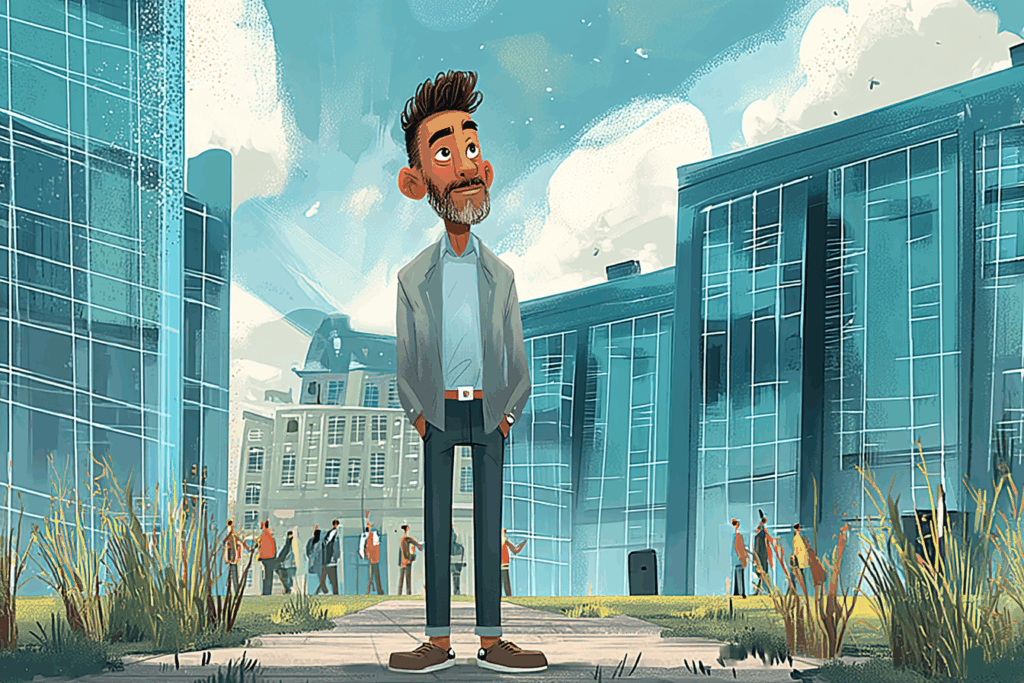
Educators and healthcare workers reflect on balance and wellbeing as part of the Better in 2026: From Burnout to Balance movement.
Burnout prevention cannot succeed without leadership involvement. Leaders set the tone for what is acceptable, expected, and supported. When leaders model overwork, silence, or emotional suppression, teams follow—even at their own expense.
Effective leaders communicate clear priorities. They reduce role ambiguity and avoid unnecessary urgency. They recognize that constant crisis mode erodes judgment and morale. In preventive cultures, leaders ask not only “What needs to get done?” but also “What is the impact of this pace on our people?”
Psychological safety is another critical factor. Professionals must feel safe to voice concerns, admit fatigue, or request adjustments without fear of retaliation or diminished status. This safety reduces the likelihood that stress will escalate into errors or breakdowns.
Leaders also play a role in recognizing early warning signs in their teams. Changes in tone, engagement, or behavior are often visible before formal issues arise. Addressing these signals with curiosity and support—rather than discipline—prevents escalation.
Organizational Strategies That Reduce Burnout Risk
Organizations committed to burnout prevention look beyond individual coping strategies and examine structural contributors. Staffing ratios, scheduling practices, documentation demands, and communication workflows all influence stress levels.

Lifelong learning and personal wellbeing come together as professionals engage with Better in 2026: From Burnout to Balance.
One effective strategy is reducing cognitive overload. Streamlining procedures, clarifying decision-making authority, and minimizing redundant tasks free mental bandwidth. In both healthcare and education, professionals often carry invisible labor—work that is emotionally or cognitively demanding but unacknowledged. Naming and addressing this labor matters.
Another preventive approach is integrating recovery into the workday. Short breaks, quiet spaces, and realistic scheduling signal that recovery is not a luxury—it is a requirement for safe, effective work. When recovery is only possible outside of work hours, burnout accelerates.
Training also plays a role. Providing staff with skills in de-escalation, emotional regulation, and stress awareness equips them to manage challenges before they spiral. These skills are not just personal tools; they improve team dynamics and reduce conflict.
Preventing Crisis and Restriction Through Early Intervention
When burnout is ignored, organizations often respond only after a crisis occurs—when performance declines, incidents happen, or formal action is required. These interventions are disruptive, costly, and traumatic. Preventive self-care reduces the likelihood that situations will escalate to this level.

A healthcare professional practicing mindfulness in a quiet hallway reflects the shift from burnout to balance in 2026.
Early intervention looks like supportive conversations, temporary workload adjustments, access to resources, and normalization of recovery. It treats burnout risk as a safety issue, not a personal flaw. In doing so, it protects individuals, teams, and the people they serve.
For healthcare and education professionals, this approach preserves dignity and career continuity. For organizations, it reduces turnover, liability, and operational disruption.
Building a Culture of Balance, Not Just Resilience
Resilience is often framed as the ability to withstand pressure. Balance reframes the goal. It asks how systems can distribute pressure more evenly and allow for recovery. A culture of balance does not eliminate stress—but it prevents stress from becoming chronic harm.
Caption: From burnout to balance: healthcare and education professionals practicing collective self-care in 2026.

Moments of calm and reflection help professionals reconnect with purpose through Better in 2026: From Burnout to Balance.
Organizations can reset expectations. To shift from reactive wellness initiatives to preventive safety strategies. To recognize that caring for caregivers and educators is not optional—it is foundational.
Burnout prevention is not about doing less. It is about doing what matters, in ways that are sustainable. When individuals and organizations share responsibility for well-being, balance becomes possible—and crises become less likely.
Five Strategies You and Your Organization Can Implement Today to Prevent Burnout
1. Normalize Early Check-Ins Before Stress Becomes a Problem. Burnout prevention starts with permission. Create regular, low-stakes check-ins where staff can talk about workload, energy, and pressure without fear of judgment or consequence. These conversations should happen before performance declines or absences appear. When people are encouraged to speak early, organizations can respond with small adjustments instead of crisis interventions.
2. Reduce Cognitive Overload by Clarifying Priorities. Constant urgency exhausts even high-performing teams. Leaders should clearly identify what truly requires immediate attention and what can wait. Simplifying decision pathways, reducing redundant documentation, and eliminating unnecessary tasks frees mental bandwidth. When professionals know what matters most, they are less likely to operate in chronic stress mode.

Healthcare teams supporting one another illustrate how Better in 2026: From Burnout to Balance promotes healthier work environments.
3. Build Recovery Into the Workday, Not After It. Recovery cannot rely solely on evenings and weekends. Schedule protected breaks, transition time between high-stress tasks, and quiet spaces where staff can reset. Even short recovery windows during the day reduce emotional buildup and improve focus. This signals that restoration is part of safe, effective work—not a personal indulgence.
4. Train for Emotional Regulation and De-Escalation, Not Just Compliance. Equip staff with practical tools to manage stress responses in real time. Training in emotional regulation, de-escalation, and co-regulation helps professionals stay grounded during difficult interactions. These skills reduce conflict, improve safety, and prevent emotional exhaustion from accumulating unchecked.

Taking time outdoors and reconnecting with balance embodies the spirit of Better in 2026: From Burnout to Balance.
5. Model Sustainable Behavior at the Leadership Level. Leaders set the ceiling for burnout risk. When leaders model realistic boundaries, take breaks, and speak openly about stress management, teams follow. Conversely, when leaders glorify overwork or constant availability, burnout accelerates. Sustainable leadership behaviors create psychological safety and reinforce that well-being is a shared responsibility.