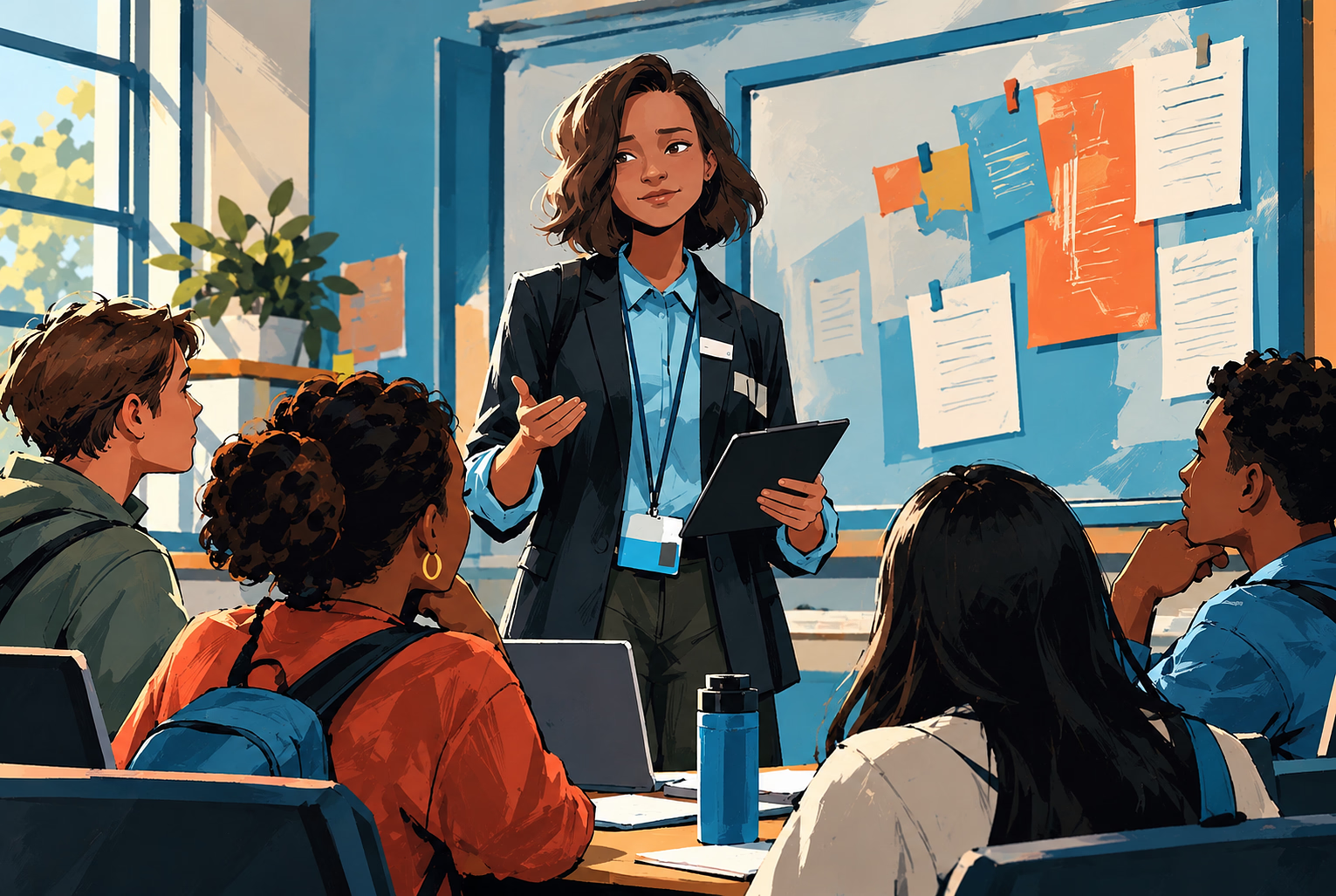
Restraint and Seclusion in Schools: What the 2026 Legislation Means for Staff Training
A first grader in Michigan spent forty minutes alone in a padded room this spring, the kind of incident that used to disappear into…

A first grader in Michigan spent forty minutes alone in a padded room this spring, the kind of incident that used to disappear into…
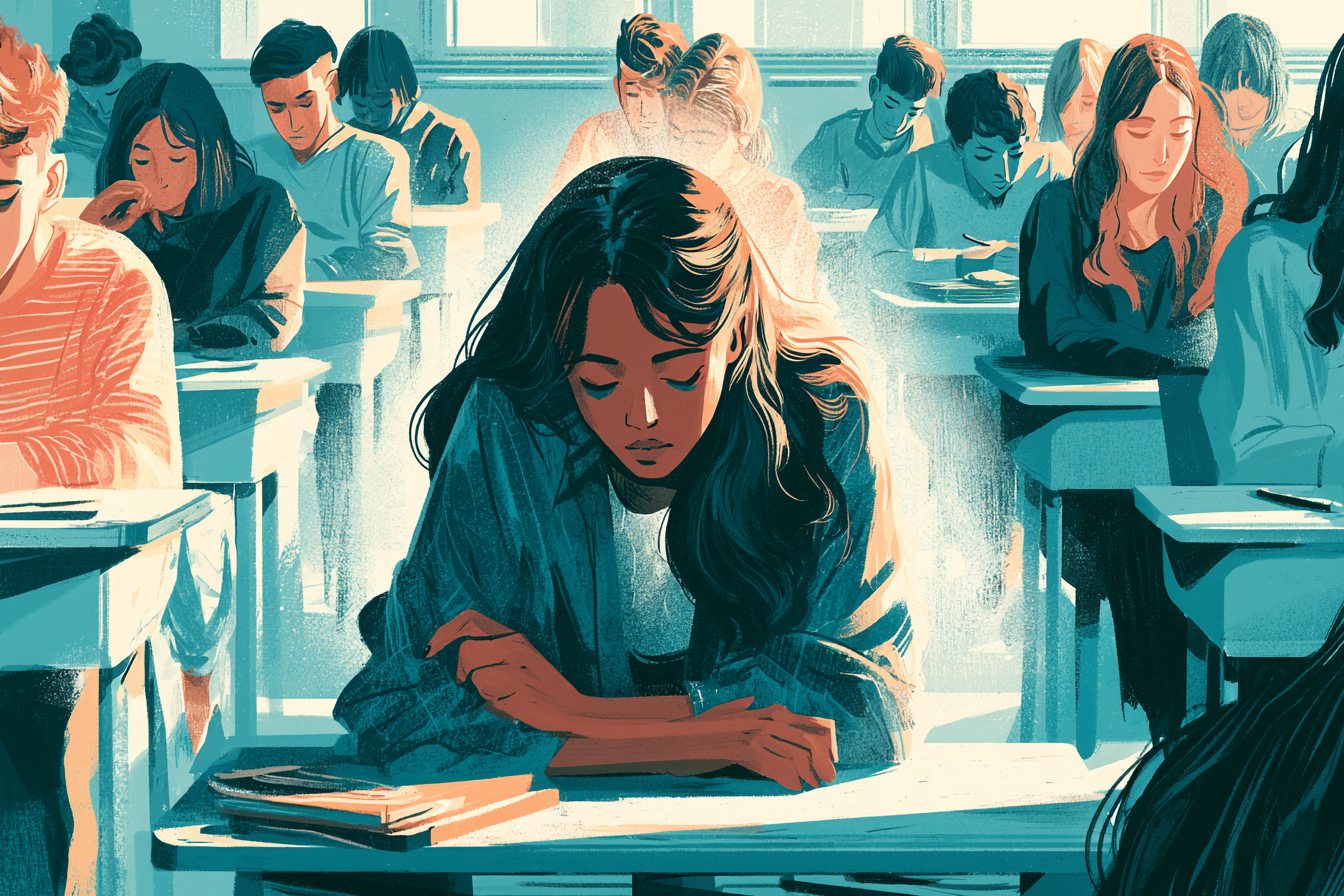
The student who throws the chair gets the intervention. The student who goes quiet, drops their head, and stops responding often gets nothing —…
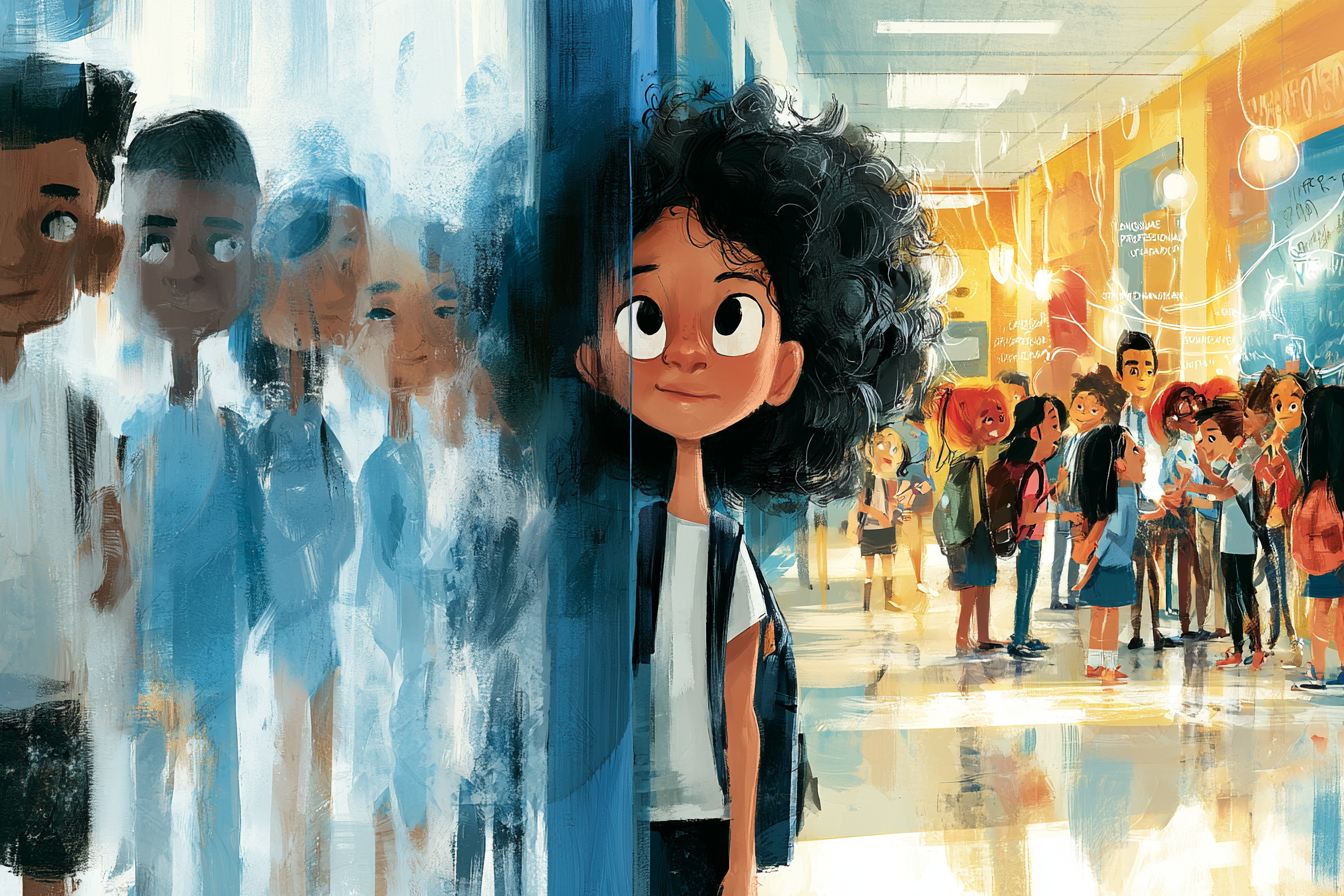
When a teacher leaves mid-year, the school absorbs the visible cost immediately: a substitute, a disrupted class, a search that takes weeks, onboarding that…
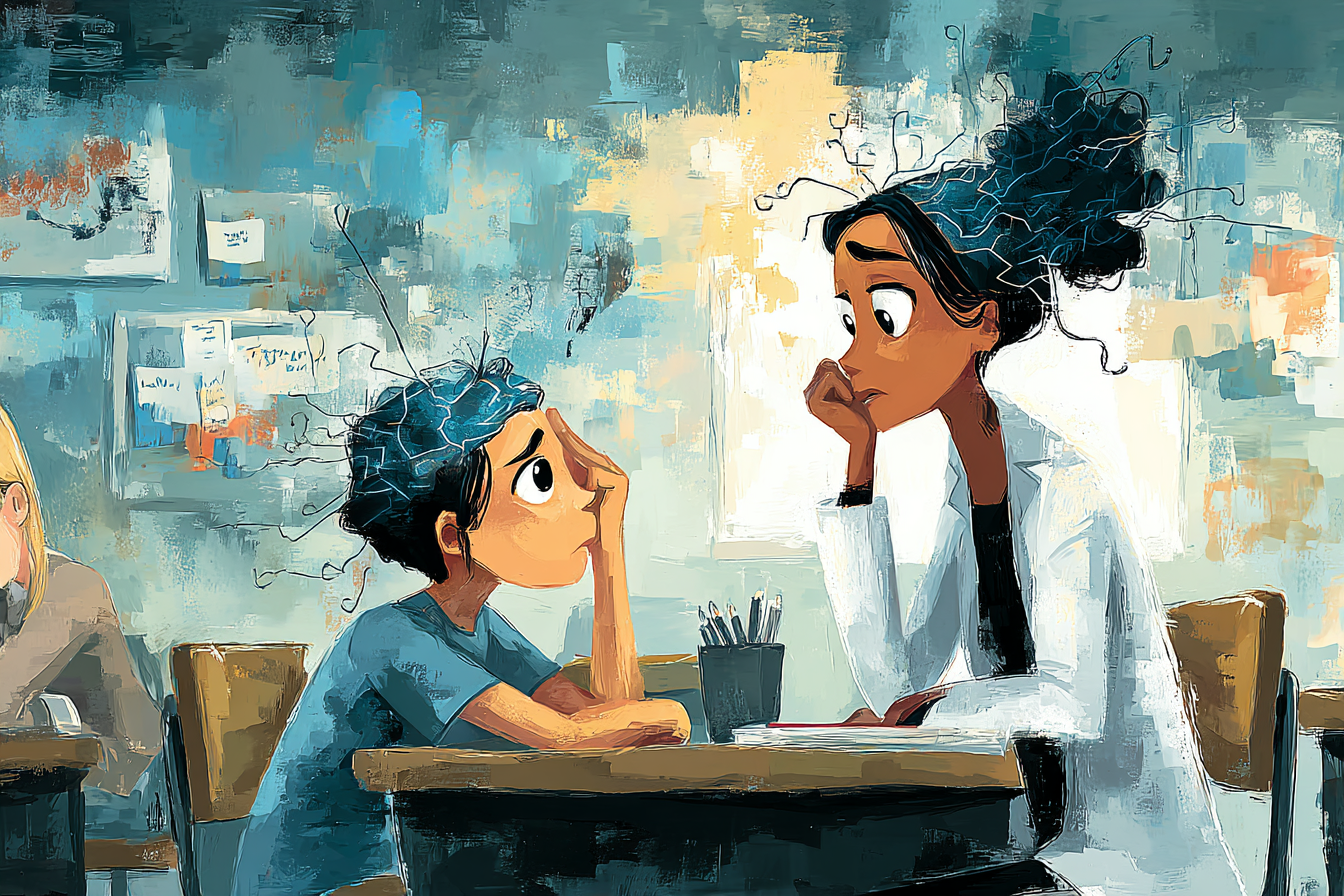
Picture a moment most educators have lived at least once. A student erupts without warning — or what felt like no warning — and…

A student is spiraling — voice rising, body tensing, words spilling out with no clear direction — and the adult in the room feels…
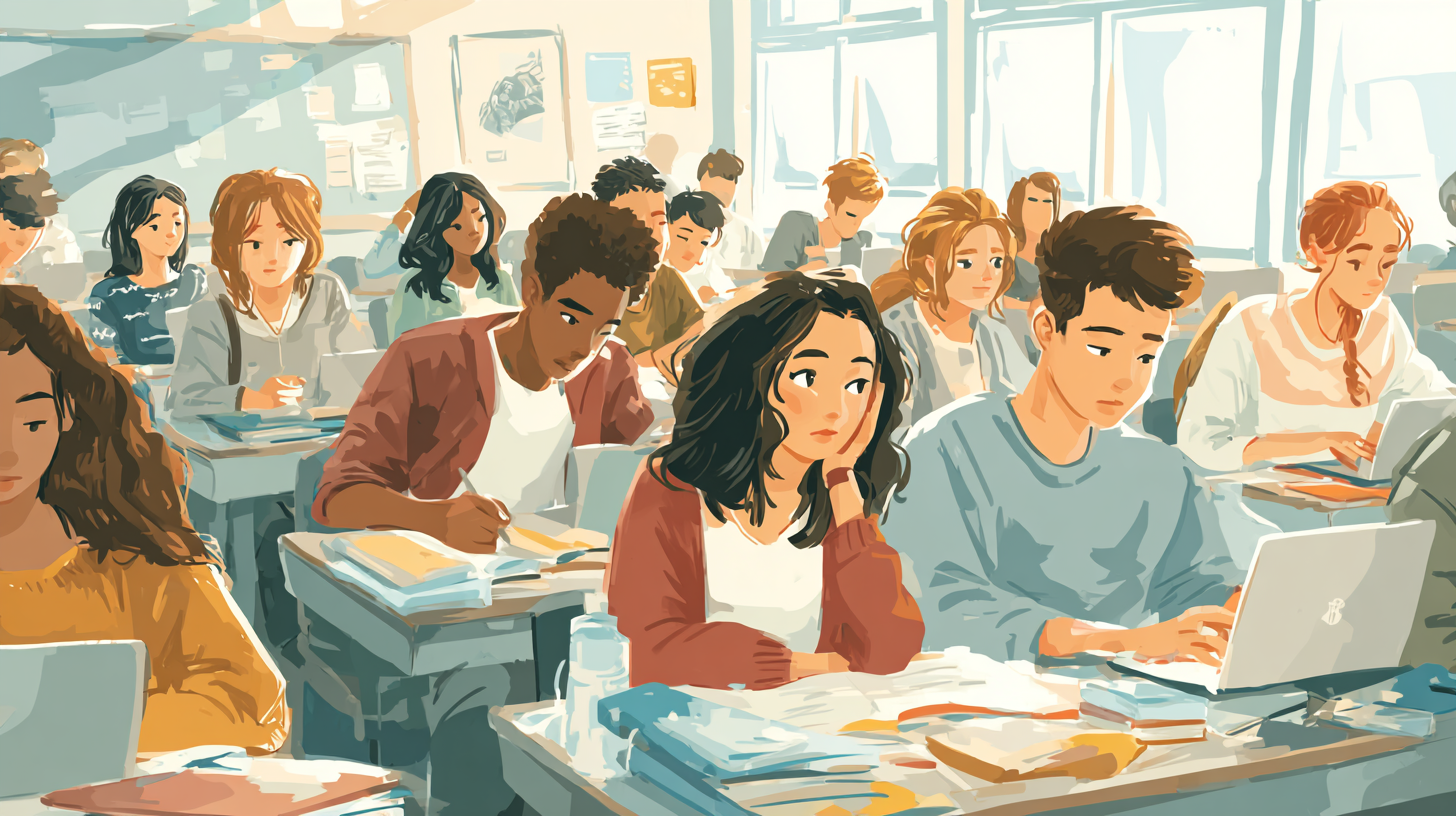
In 2026, many educators describe the same experience using different words. Classrooms feel more volatile. Small disruptions escalate faster. Staff feel constantly “on edge,”…

Every classroom is diverse, but coming into 2026, schools are more aware than ever that diversity includes how students think, process, and behave. Neurodiversity—a…

Conflict Management in Hybrid and Remote Schools Schools in 2025 look very different than they did even a decade ago. While classrooms are still…
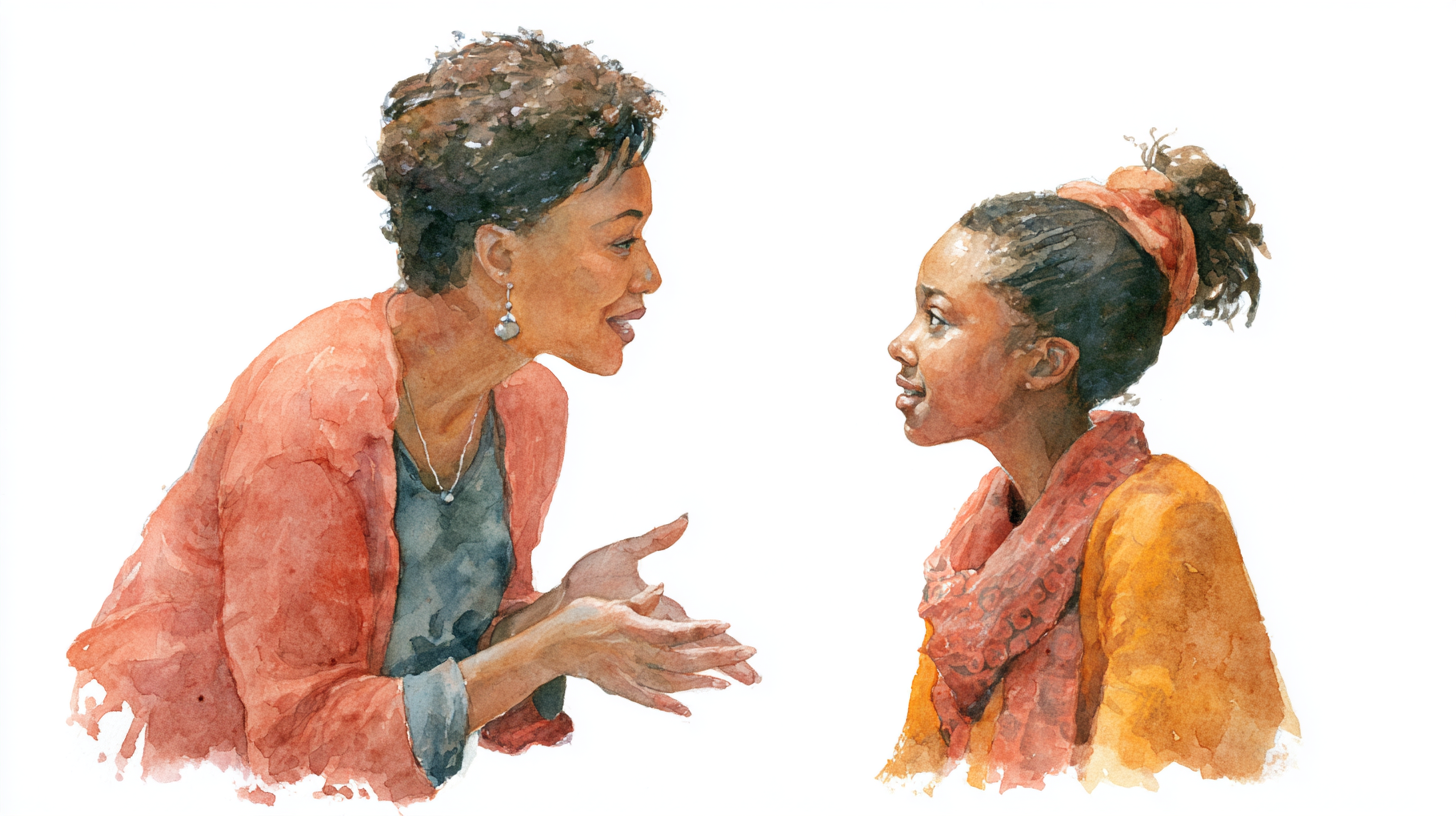
For 2026, schools are rethinking discipline. The traditional response to student misbehavior has often been punitive: detentions, suspensions, expulsions, or restrictions. While these approaches…
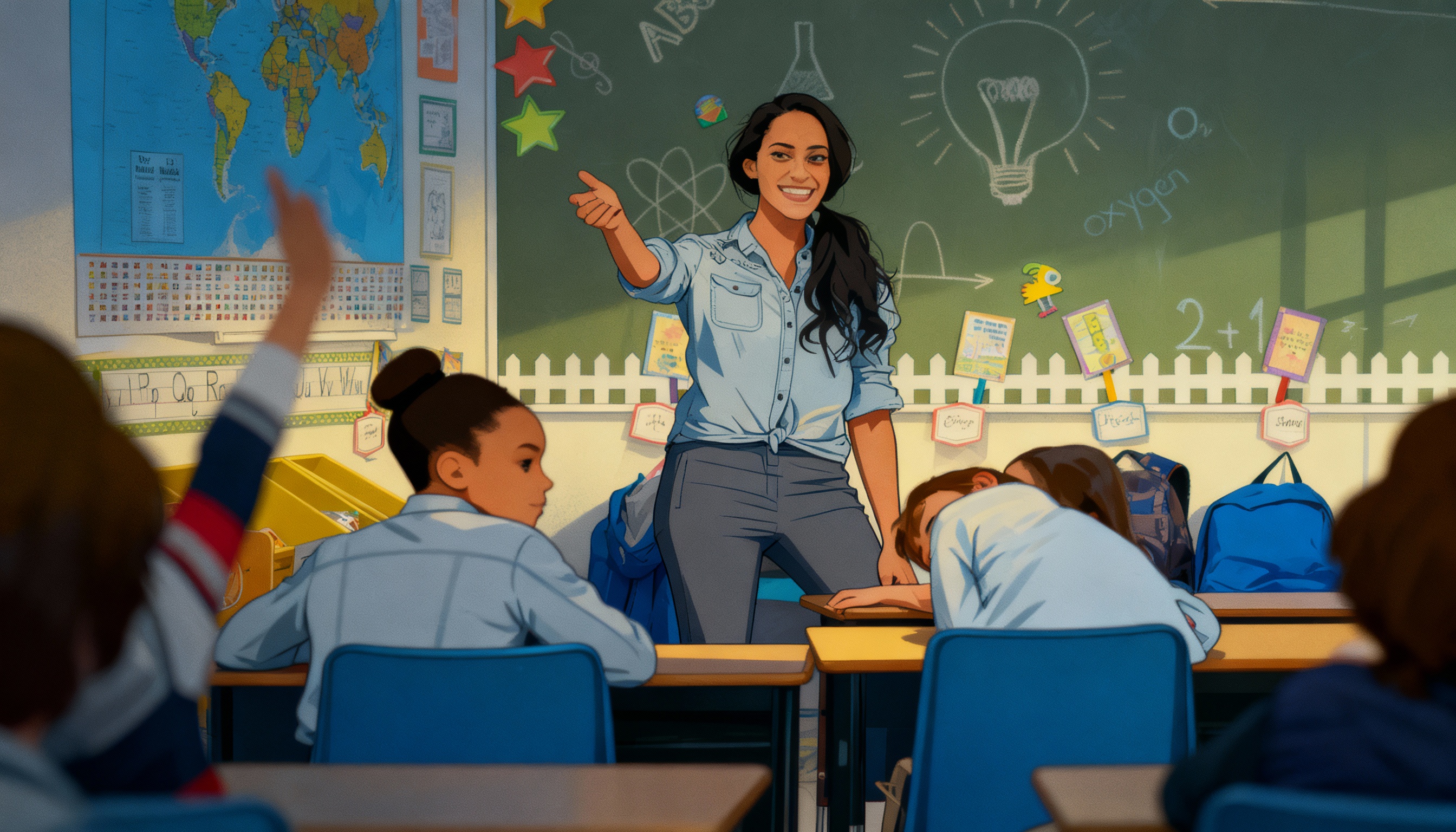
The social and emotional landscape of education has shifted dramatically in recent years. Today’s classrooms reflect new complexities as students arrive with varied experiences,…