
Why De-Escalation Is No Longer a Crisis Tool but a Core School Skill
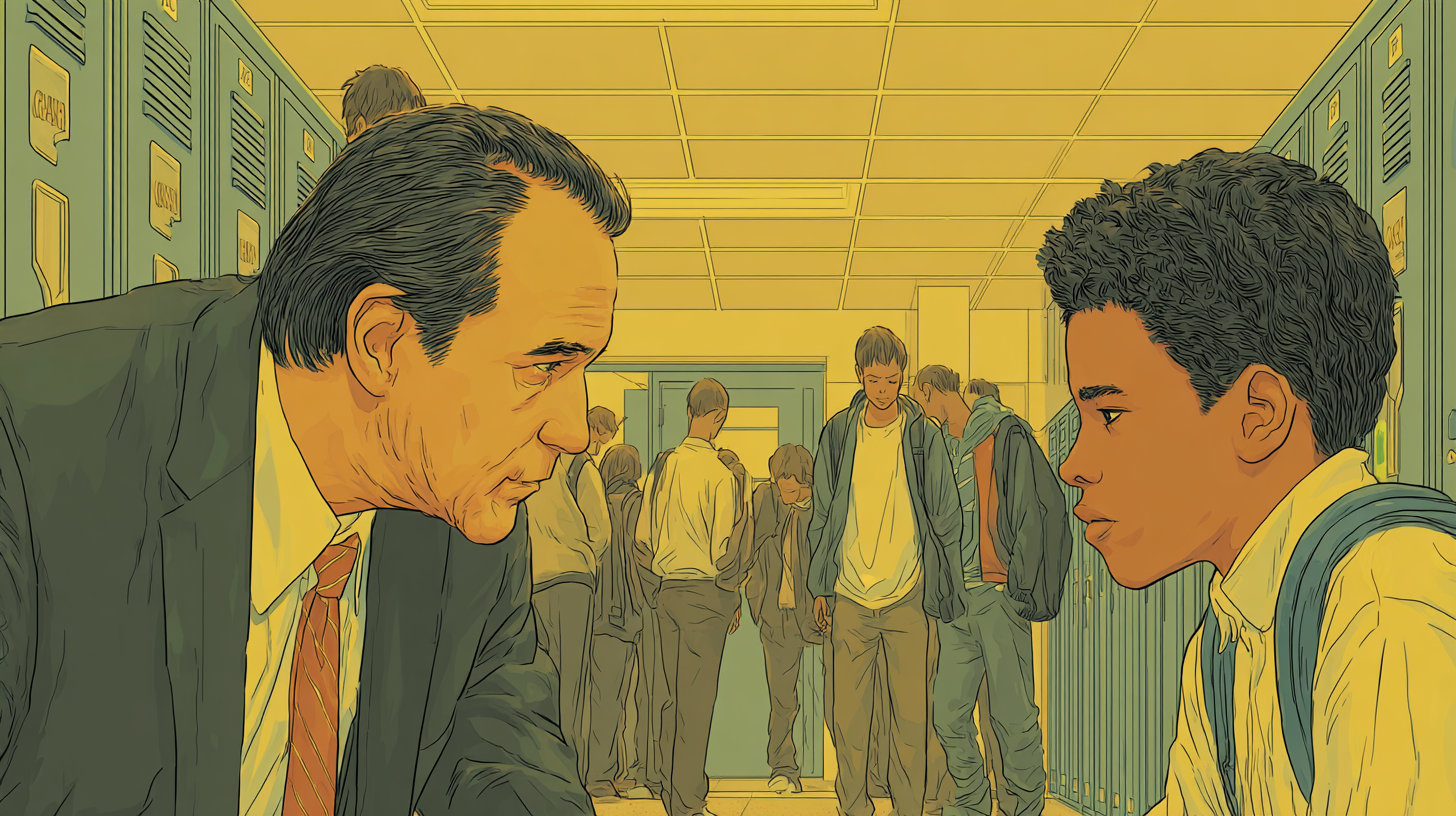
This shift reflects the reality of today’s school environments. Students are carrying more stress, trauma, and emotional dysregulation into classrooms. Staff are operating under heightened pressure with fewer resources. Under these conditions, escalation happens quickly and unpredictably. Waiting until a student is in full crisis before responding places everyone at risk.
De-escalation is not about controlling behavior.

De-escalation is no longer just a crisis tool but a core school skill that helps educators respond to student frustration before it turns into conflict, shutdown, or disruption.
In schools, most escalations begin long before they are recognized as “incidents.” A student becomes restless. A teacher raises their voice. A demand is repeated without adjustment. A power struggle forms. These moments are often missed or minimized, yet they are the true leverage points for prevention. De-escalation as a mindset means training staff to notice these early signals and respond in ways that slow escalation rather than accelerate it.
This approach has significant implications for restraint and seclusion reduction. Many restraint incidents occur not because staff intend to restrain, but because escalation has reached a level where staff feel they have no alternatives. When de-escalation skills are embedded earlier—through tone, distance, choice, pacing, and emotional validation—situations are far less likely to reach that point.
Schools leading in safety and prevention treat de-escalation as a shared language rather than a specialized role.
Some schools provide de-escalation training to teachers, paraprofessionals, administrators, and other staff on an ongoing basis. This shared framework reduces confusion during high-stress moments and increases collective confidence. When everyone knows how to respond, fear decreases and coordination improves.
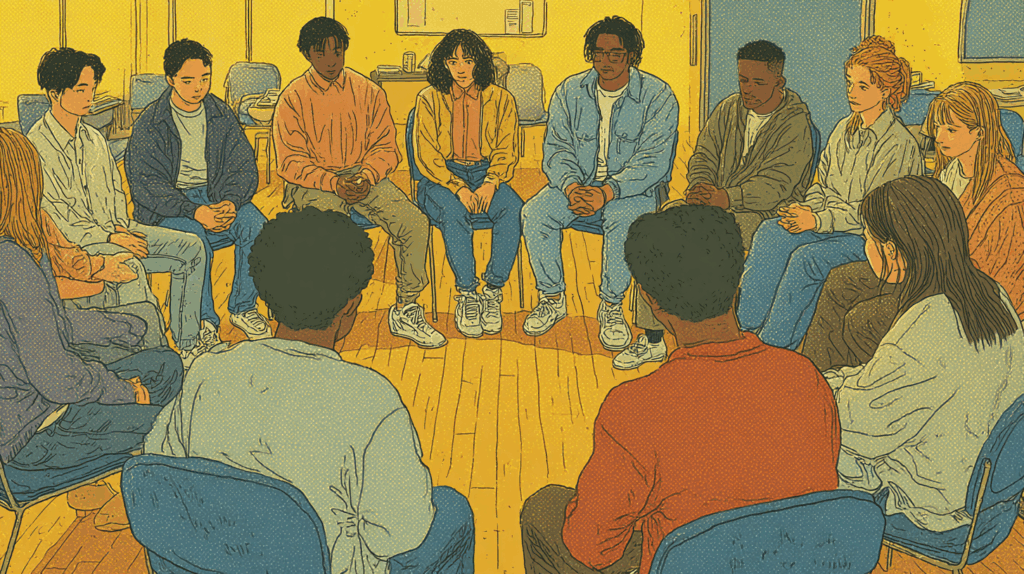
Why de-escalation is no longer a crisis tool but a core school skill also comes into focus in group settings where trust, reflection, and emotional regulation are built into school culture.
Importantly, de-escalation is as much about adult regulation as student behavior. Staff who are overwhelmed or unsupported are more likely to escalate unintentionally. MindSet emphasizes that staff safety and emotional regulation are foundational to student safety. Schools that invest in de-escalation training also invest in staff sustainability, reducing burnout and turnover.
As schools look ahead, de-escalation is becoming a core professional competency alongside classroom management and instruction . It supports safer classrooms, stronger relationships, and fewer crisis interventions. Most importantly, it allows schools to uphold accountability without relying on fear or force.