
From Burnout to Balance: Sustainable Self-Care for Healthcare and Education Professionals
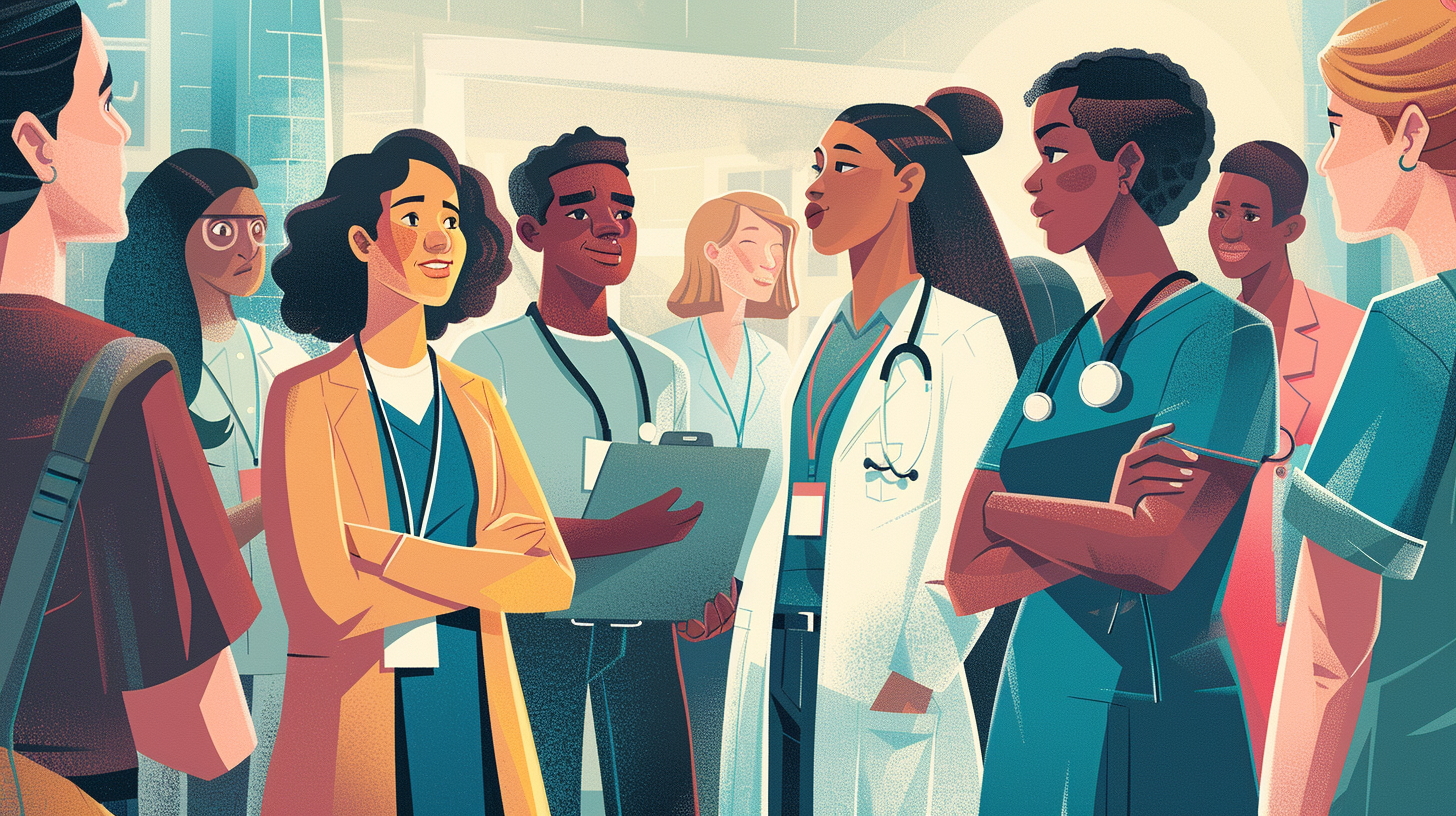
Burnout has become one of the defining challenges for professionals working in healthcare and education.
In 2026, the conversation about burnout has moved beyond individual stress management and toward a deeper understanding of how workplace environments influence well-being. Teachers, nurses, counselors, and other helping professionals often enter their fields with a strong sense of purpose, yet many find themselves overwhelmed by sustained emotional demand, heavy workloads, and constant pressure to respond to complex human needs. As awareness grows, organizations are beginning to recognize that preventing burnout requires more than encouraging individuals to take care of themselves. It requires systems that support sustainable work and environments where emotional capacity can be maintained rather than depleted.
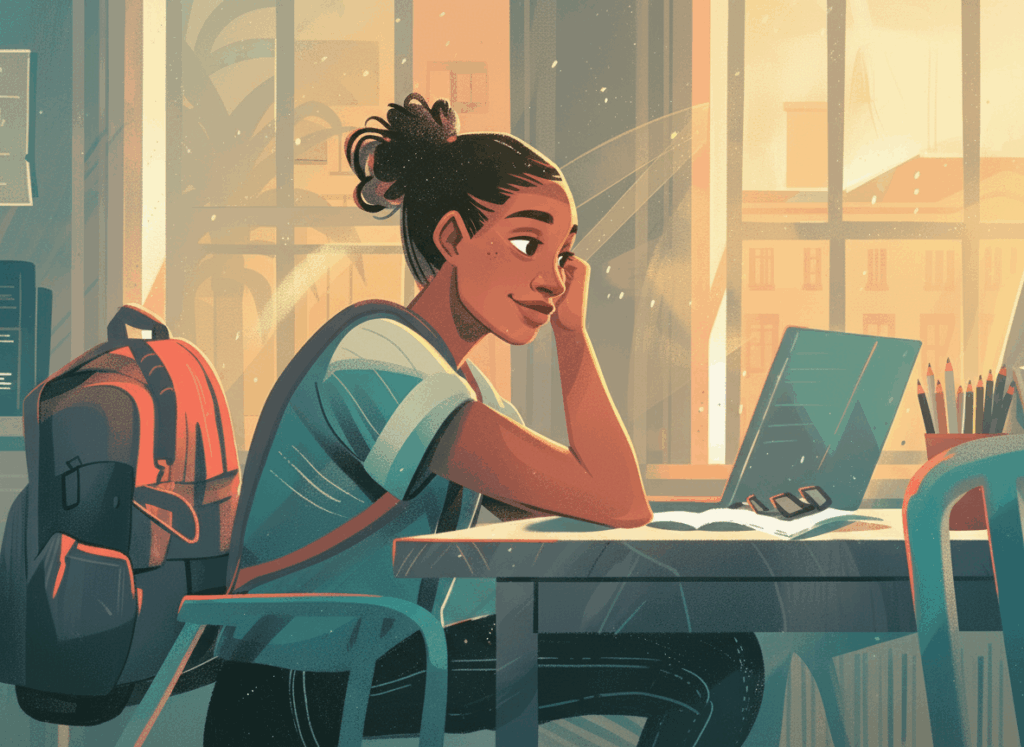
From burnout to balance: a quiet study moment shows how sustainable self-care helps education and healthcare professionals recharge.
Burnout develops gradually. It rarely appears overnight. Professionals often begin their careers energized and motivated, but repeated exposure to stress without sufficient recovery slowly erodes their capacity. Long hours, high expectations, and emotionally intense interactions become normal. Over time, the signs begin to appear: exhaustion that does not improve with rest, increased irritability, difficulty concentrating, and a sense of detachment from the work that once felt meaningful. In both healthcare and education, these symptoms can have serious consequences. When professionals reach a point of burnout, their ability to remain patient, empathetic, and focused becomes compromised. This can lead to increased errors, strained relationships with colleagues or students, and a higher likelihood of escalation during stressful situations.
The environments where healthcare and education professionals work are uniquely demanding.
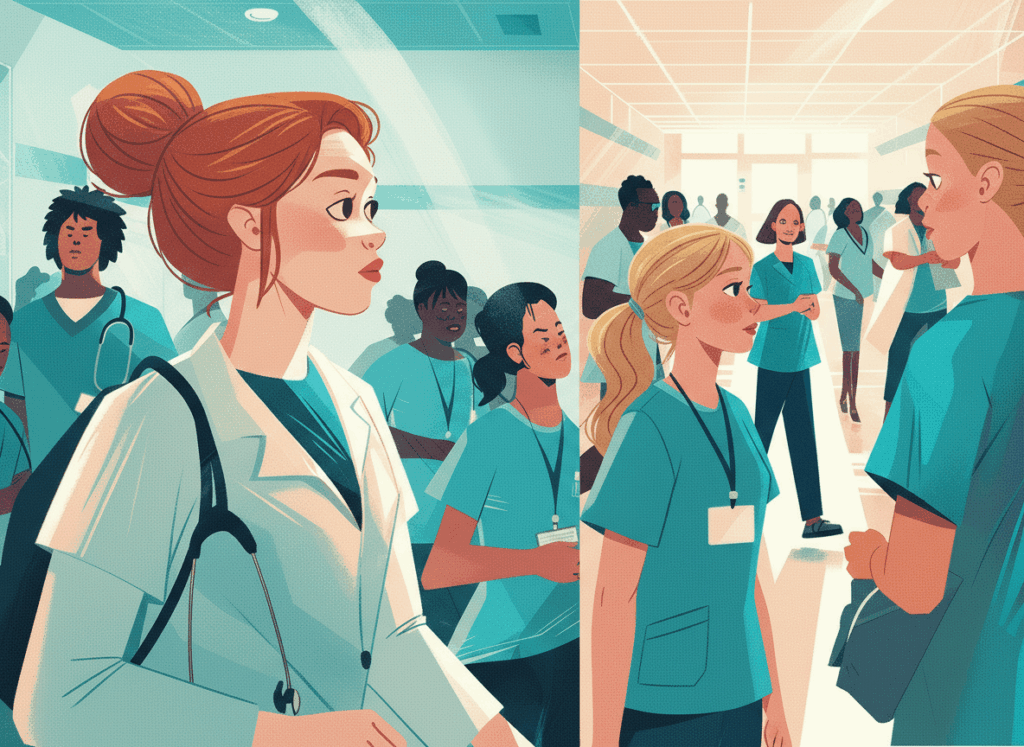
From burnout to balance: sustainable self-care for healthcare professionals starts with peer support, communication, and community.
Teachers and school staff must balance instruction, behavioral support, documentation, communication with families, and administrative requirements, often with limited resources. Healthcare workers face constant exposure to urgent needs, unpredictable schedules, and emotionally charged situations involving patients and families. In both settings, the expectation to remain composed and supportive can create an internal conflict when stress levels rise. Professionals may feel that acknowledging exhaustion is a sign of weakness or failure, which discourages them from seeking help until burnout has already taken hold.
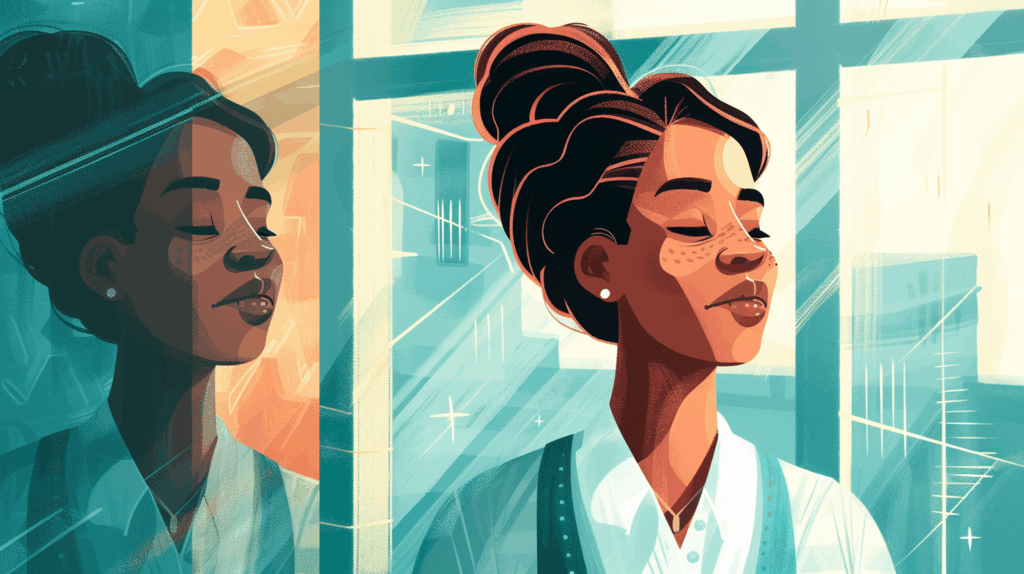
From burnout to balance: sustainable self-care includes moments of rest, reflection, and emotional reset for healthcare and education professionals.
Recognizing burnout early is essential. The earliest stages often include subtle shifts in energy and perspective. Professionals may notice they are less patient than usual or that tasks that once felt manageable now feel overwhelming. There may be a tendency to withdraw from colleagues or to approach work with a sense of dread. When these signals are ignored, burnout intensifies. Emotional exhaustion deepens, cynicism increases, and individuals begin to question their effectiveness. Addressing these signals early can prevent burnout from progressing into a more serious crisis that affects both personal well-being and organizational stability.
Self-care has long been promoted as a solution to burnout, but the concept has often been misunderstood.
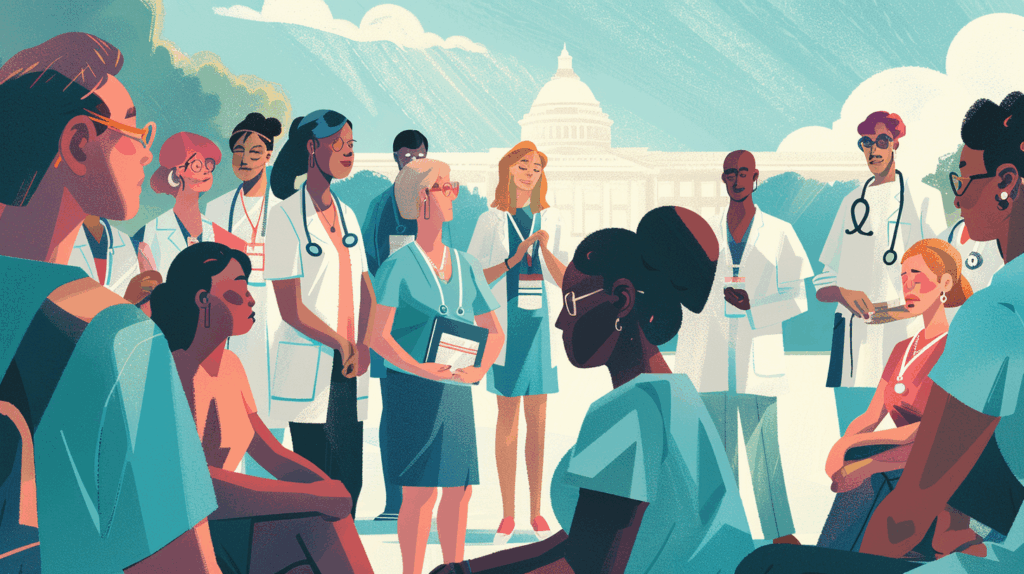
From burnout to balance: sustainable self-care includes moments of rest, reflection, and emotional reset for healthcare and education professionals.
in a group discussion, symbolizing sustainable self-care and burnout to balance.
Sustainable self-care is not simply about occasional relaxation or personal wellness routines. Instead, it involves building daily practices that support emotional regulation, physical health, and psychological balance. For professionals in demanding fields, sustainable self-care may include setting clear boundaries around work hours, creating intentional moments of recovery during the day, and engaging in activities that restore energy rather than drain it. Sleep, movement, and meaningful connection with others all play a critical role in maintaining resilience.
However, focusing solely on individual strategies places an unfair burden on professionals who are already stretched thin. Organizational culture plays an equally important role in preventing burnout. Workplaces that expect constant availability or treat exhaustion as normal are more likely to see high turnover and declining morale. In contrast, environments that encourage balance and provide realistic expectations create conditions where professionals can sustain their work over the long term.
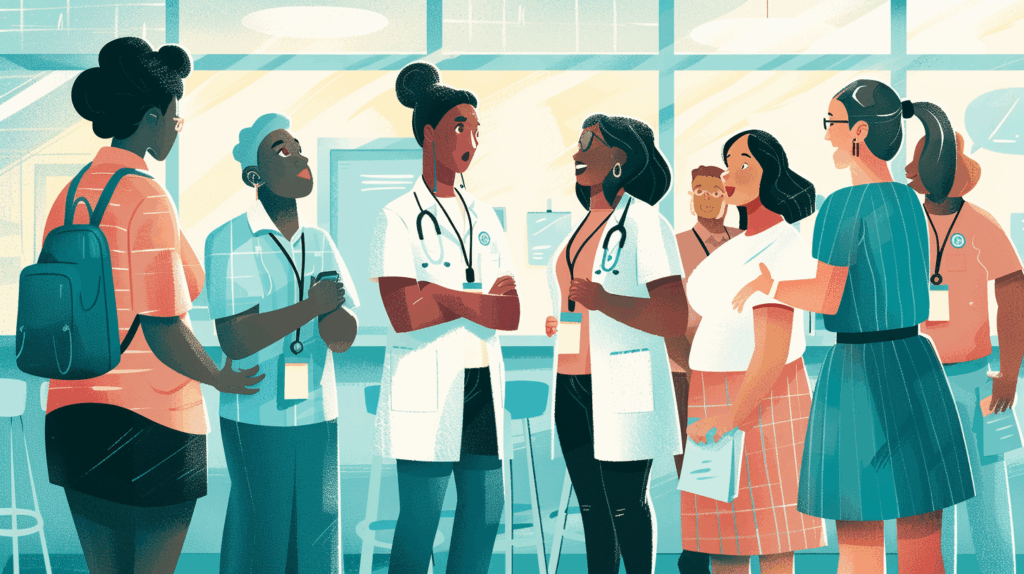
From burnout to balance: sustainable self-care for healthcare professionals grows stronger through advocacy, collaboration, and collective care.
Collaboration is another important element in preventing burnout.

From burnout to balance: sustainable self-care for education professionals is strengthened by discussion, learning, and shared resources.
Preventing burnout is ultimately about protecting the people who dedicate their lives to helping others.
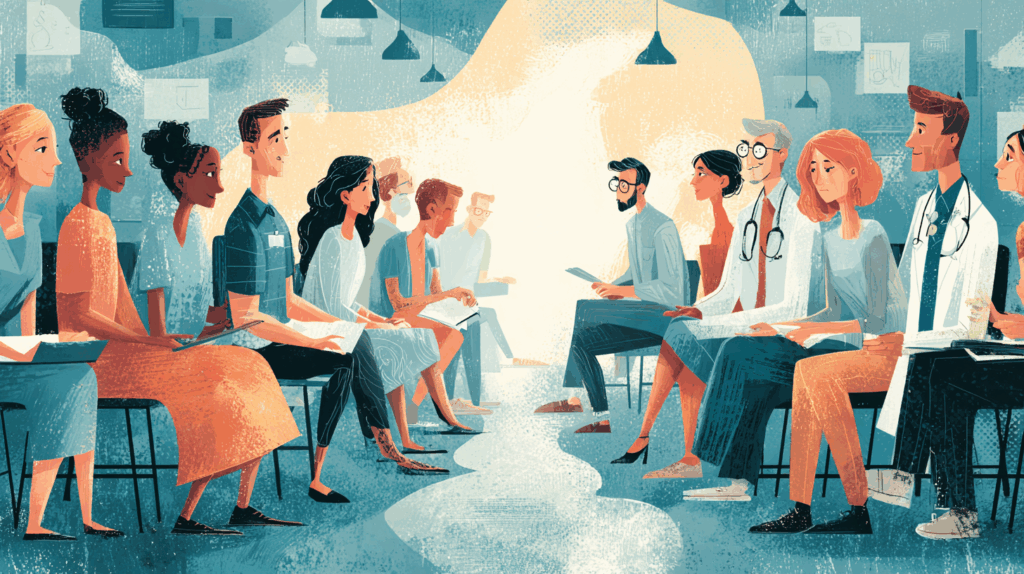
From burnout to balance: sustainable self-care brings healthcare and education professionals together for listening, reflection, and mutual support.
Teachers and healthcare workers are essential pillars of their communities, and their well-being directly influences the quality of care and education that others receive. By acknowledging the realities of burnout and embracing preventive strategies at both the individual and organizational levels, institutions can create environments where professionals do not simply survive their work but continue to find purpose and fulfillment within it.
As awareness continues to grow, the shift from burnout to balance represents an important step forward. When workplaces prioritize sustainable practices, professionals regain the capacity to bring patience, empathy, and skill to the people who depend on them every day. In the long run, protecting the well-being of those who serve others ensures that healthcare systems and schools remain strong, resilient, and capable of meeting the challenges of the future.