
Gen Z and Workplace Mental Health: A New Perspective

The newest generation entering the workforce is reshaping how organizations think about mental health, communication, and leadership.
Members of Generation Z, born roughly between the mid-1990s and early 2010s, are bringing different expectations into professional environments than previous generations. In 2026, these expectations are influencing how institutions approach stress management, conflict prevention, and emotional safety in the workplace.

Gen Z and workplace mental health conversations often begin with quiet moments of reflection in modern work settings.
Gen Z employees have grown up during a period marked by social change, technological acceleration, and global uncertainty. Many experienced formative years during the COVID-19 pandemic, a time when conversations about mental health became more visible and urgent.
As a result, this generation often approaches work with a heightened awareness of emotional well-being and psychological safety. Rather than seeing mental health as a private issue, many Gen Z workers expect organizations to recognize and support it openly.
For institutions that serve young adults or employ early-career professionals, this shift is significant.

A new perspective on workplace mental health includes honest one-on-one conversations and supportive team culture for Gen Z employees.
Traditional workplace cultures often prioritized endurance and productivity above all else. Long hours, constant availability, and limited discussion of emotional strain were widely accepted norms. Gen Z workers, however, are increasingly questioning whether those expectations are sustainable. They are more likely to seek environments where open communication, supportive leadership, and preventive approaches to stress are part of the organizational culture.
Check Out: Restorative Practices for 2026

Gen Z is reshaping workplace mental health by valuing collaboration, inclusion, and emotionally aware work environments.
The influence of Gen Z is already visible in changes to workplace practices. Many organizations are expanding access to mental health resources, offering flexible schedules, and encouraging more transparent conversations between leadership and staff. Managers are receiving additional training in communication skills and emotional intelligence, recognizing that leadership now requires the ability to navigate both operational demands and human dynamics.
Technology also plays a role in shaping Gen Z workplace expectations.

For Gen Z, workplace mental health is closely tied to flexibility, balance, and feeling comfortable in everyday office spaces
Growing up in a highly connected world, this generation is accustomed to immediate communication and constant feedback. While this connectivity offers advantages, it can also intensify stress if boundaries are unclear. Gen Z employees often advocate for clear expectations around availability and workload, emphasizing the importance of sustainable pace rather than constant urgency.
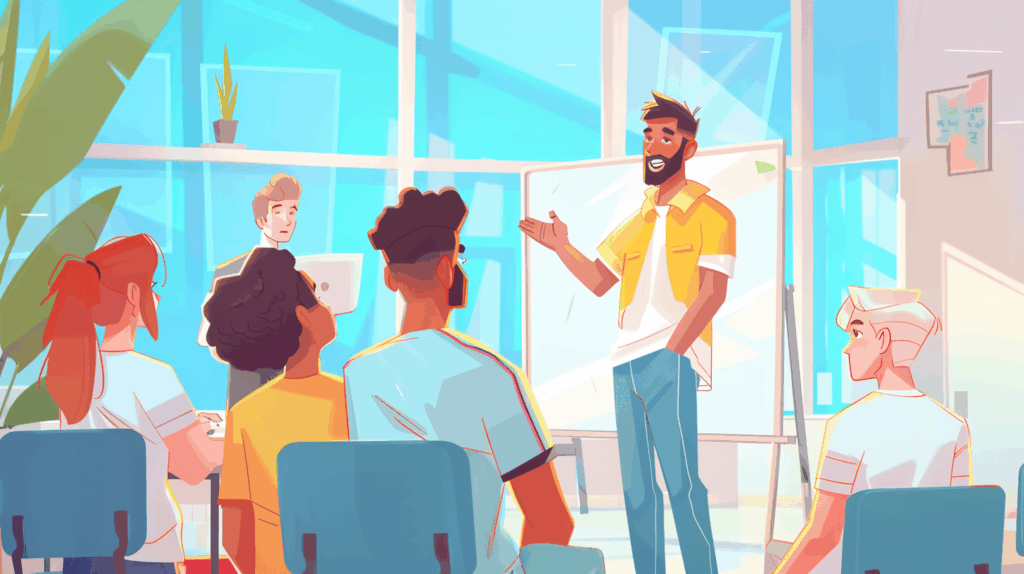
A new perspective on workplace mental health means creating spaces where Gen Z employees feel heard, guided, and supported.
In educational settings, where many Gen Z individuals are entering early career roles as teachers, paraprofessionals, and support staff, these perspectives are particularly relevant. Schools are environments where emotional demands are already high. New educators frequently encounter challenging student behavior, heavy workloads, and the pressure to meet diverse needs simultaneously. Without strong support systems, these pressures can quickly lead to burnout.
Organizations that recognize these realities are shifting toward preventive strategies that address stress before it reaches crisis levels. This includes providing mentorship for new staff, creating structured opportunities for reflection and collaboration, and ensuring that leaders are accessible when challenges arise. When early-career professionals feel heard and supported, they are more likely to remain in the profession and contribute positively to the workplace culture.
At its core, the shift driven by Gen Z reflects a broader cultural change.

Gen Z and workplace mental health go hand in hand with open dialogue, trust, and stronger team relationships