Congress Reintroduces the Keeping All Students Safe Act: What It Means for Schools in 2026
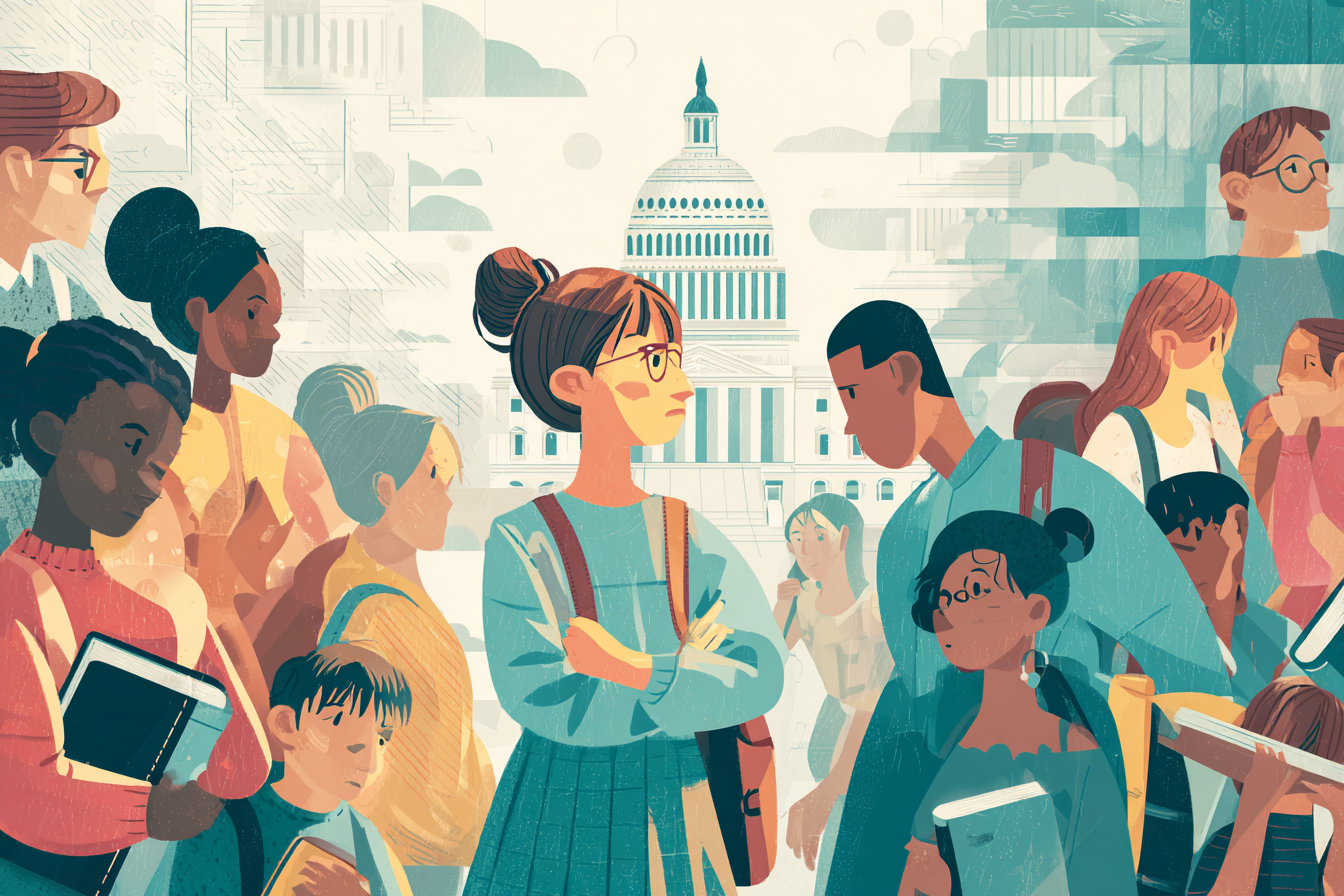
Illustration of students near the U.S. Capitol representing Congress reintroducing the Keeping All Students Safe Act for schools in 2026

For many educators, restraint and seclusion are not abstract policy terms. They are moments that linger long after the classroom is quiet again. Moments when a student was overwhelmed, when adults felt they had no good options, when safety and fear collided. These experiences are rarely talked about openly, yet they shape school culture, staff morale, and student trust in profound ways.

In 2025, Congress once again reintroduced the Keeping All Students Safe Act, signaling a renewed national effort to address how schools respond when behavior escalates. The bill reflects a growing understanding that traditional disciplinary responses rooted in restriction and isolation often fail to protect students—and can cause lasting harm, particularly for students with disabilities and those already carrying trauma. The legislation does not emerge in a vacuum. It arrives after years of advocacy, research, and lived experience from families, educators, and students calling for safer, more humane approaches.
 
Diverse classroom scene illustrating how the Keeping All Students Safe Act could impact school environments in 2026

Classrooms across the country could see changes as Congress reintroduces the Keeping All Students Safe Act to improve student safety policies in 2026.

The reintroduction of this bill marks a pivotal moment. It challenges schools to examine not only what they do in crisis moments, but how those moments are created—or prevented—by the systems, training, and cultures they build every day.

What the Keeping All Students Safe Act Proposes
The Keeping All Students Safe Act seeks to establish federal standards governing the use of restraint and seclusion in schools that receive federal funding.  This legislation would ban practices that restrict breathing, including prone and supine restraints, as well as mechanical and chemical restraints. At its core, the bill would prohibit seclusion entirely and significantly restrict the use of physical restraint, allowing it only in narrowly defined emergency situations where there is an imminent threat of serious physical harm.

This legislation would ban practices that restrict breathing, including prone and supine restraints, as well as mechanical and chemical restraints. The bill also emphasizes accountability and transparency, requiring states to monitor implementation and report data related to restraint use. Importantly, the legislation pairs restrictions with funding support intended to help schools transition toward safer, evidence-based alternatives through training and capacity building.

Group of students in a school hallway symbolizing discussions around the Keeping All Students Safe Act and school safety reforms

Students and educators discuss discipline and safety as Congress reintroduces the Keeping All Students Safe Act affecting schools in 2026.

This dual focus reflects a shift away from simply banning harmful practices toward supporting schools in building systems that reduce the likelihood of crisis altogether.

Why This Legislation Matters Now
The urgency behind the bill is grounded in data and experience. Federal reporting over the past decade has consistently shown that restraint and seclusion are used disproportionately on students with disabilities, particularly students with emotional or behavioral challenges. Students of color are also overrepresented in restraint incidents, raising serious equity and civil rights concerns.
At the same time, many incidents go underreported, and educators often describe being placed in impossible situations without sufficient training, staffing, or support. Restraint is a last resort in ensuring safety that should only be necessary on rare occasion. More frequent use of restraint signals deeper systemic issues that call for additional training and organizational culture shift.”
Students walking across a school campus representing the impact of the Keeping All Students Safe Act on schools in 2026

School campuses may adopt new protections if Congress reintroduces the Keeping All Students Safe Act for 2026 education policy.

In the post-pandemic landscape, schools are also grappling with increased student dysregulation, mental health needs, and staff burnout. These pressures make it even more critical to move away from reactive, force-based responses and toward preventive, relationship-centered approaches that support both students and staff.

From Control to Prevention
One of the most significant aspects of the Keeping All Students Safe Act is its emphasis on prevention. The bill acknowledges what many educators already know: restraint and seclusion are not solutions to behavioral challenges. They are indicators that preventive systems have failed.
Prevention in this context means equipping educators with skills to recognize early signs of distress, regulate their own responses under stress, and respond in ways that reduce escalation rather than intensify it. It means shifting from asking “How do we stop this behavior?” to “What is this student communicating, and what support is missing right now?”
Research and state-level reforms have shown that when schools invest in trauma-informed practices, de-escalation training, and positive behavior supports, reliance on restraint drops significantly. The legislation reinforces this approach by directing resources toward training and capacity building rather than punishment.

Safety, Dignity, and Accountability
Critics of federal intervention often raise concerns about removing tools educators may need in emergencies. The bill does not deny that genuine safety emergencies can occur. Instead, it sets a high threshold for when physical intervention is permissible and makes clear that such interventions must never compromise a student’s breathing, dignity, or long-term well-being.
Classroom interaction between teacher and students representing safe learning environments under the Keeping All Students Safe Act

Teachers and students engage in respectful classroom dialogue under policies influenced by the Keeping All Students Safe Act.

By establishing consistent national standards, the legislation seeks to reduce the wide variation in how students are treated across states and districts. A student’s safety should not depend on geography. Federal oversight aims to ensure that all students are protected by the same baseline expectations, regardless of where they attend school.

What This Means for School Culture

Beyond compliance, the Keeping All Students Safe Act invites schools to reflect on culture. Schools that rely on restraint often do so not because staff want to, but because systems are strained, relationships are fragile, and support structures are thin. Changing practice requires changing culture.

Culture shifts when staff feel supported rather than blamed, when training is ongoing rather than reactive, and when leadership prioritizes connection over control. Schools that successfully reduce restraint typically invest in staff well-being, consistent communication, and shared language around behavior and safety.
Modern classroom with students and teacher illustrating safe learning spaces connected to the Keeping All Students Safe Act

Education spaces like labs and collaborative classrooms reflect the goals of the Keeping All Students Safe Act for safer schools in 2026.

This legislation reinforces the idea that safety is not created through force, but through trust, preparation, and relational strength.

A MindSet Perspective: Moving From Crisis Response to Crisis Prevention

From a MindSet lens, the Keeping All Students Safe Act aligns with a broader shift happening across education: the move from reactive discipline to preventive care. MindSet’s work centers on the belief that most behavioral crises are not sudden events, but predictable outcomes of unmet needs, environmental stressors, and breakdowns in communication.

When adults are trained to regulate their own nervous systems, read early warning signs, and respond with empathy and clarity, escalation becomes far less likely. When students experience consistency, emotional safety, and respectful boundaries, they are more capable of regulating themselves—even under stress.
Teacher presenting to a classroom symbolizing school policy changes under the Keeping All Students Safe Act in 2026

Educators lead discussions on student rights and discipline as Congress reintroduces the Keeping All Students Safe Act.

The legislation underscores what prevention-focused training has shown for years: restriction is not safety, and control is not connection. True safety emerges when schools invest in skills that allow both students and staff to navigate difficult moments without harm.

As schools look ahead in 2026, the reintroduction of the Keeping All Students Safe Act offers not just a legal framework, but a moment of reflection. It asks schools to consider what kind of environments they are building, how they define safety, and whether their systems support dignity for everyone involved. The answers to those questions will shape not only compliance, but the daily lived experience of students and educators alike.


Policy Explainer: Keeping All Students Safe Act


The Keeping All Students Safe Act is proposed federal legislation that would set nationwide standards for the use of restraint and seclusion in schools receiving federal funding. Currently, policies vary widely by state, resulting in inconsistent protections for students.

Modern school campus exterior representing the future of safer schools under the Keeping All Students Safe Act in 2026

School buildings and campuses represent the nationwide impact of Congress reintroducing the Keeping All Students Safe Act.

The bill would prohibit seclusion and sharply limit the use of physical restraint, allowing it only in rare emergency situations involving an imminent threat of serious physical harm. Practices that restrict breathing, including prone and supine restraints, as well as mechanical and chemical restraints, would be banned.

The legislation emphasizes prevention and oversight. States would be required to monitor and report restraint use, and federal grant funding would support staff training in de-escalation and evidence-based alternatives. The goal is to reduce reliance on restrictive interventions by strengthening preventive, relationship-centered practices in schools.


Leave a Reply