
Post-Pandemic Classrooms: De-escalation Strategies for a Changed Student Population
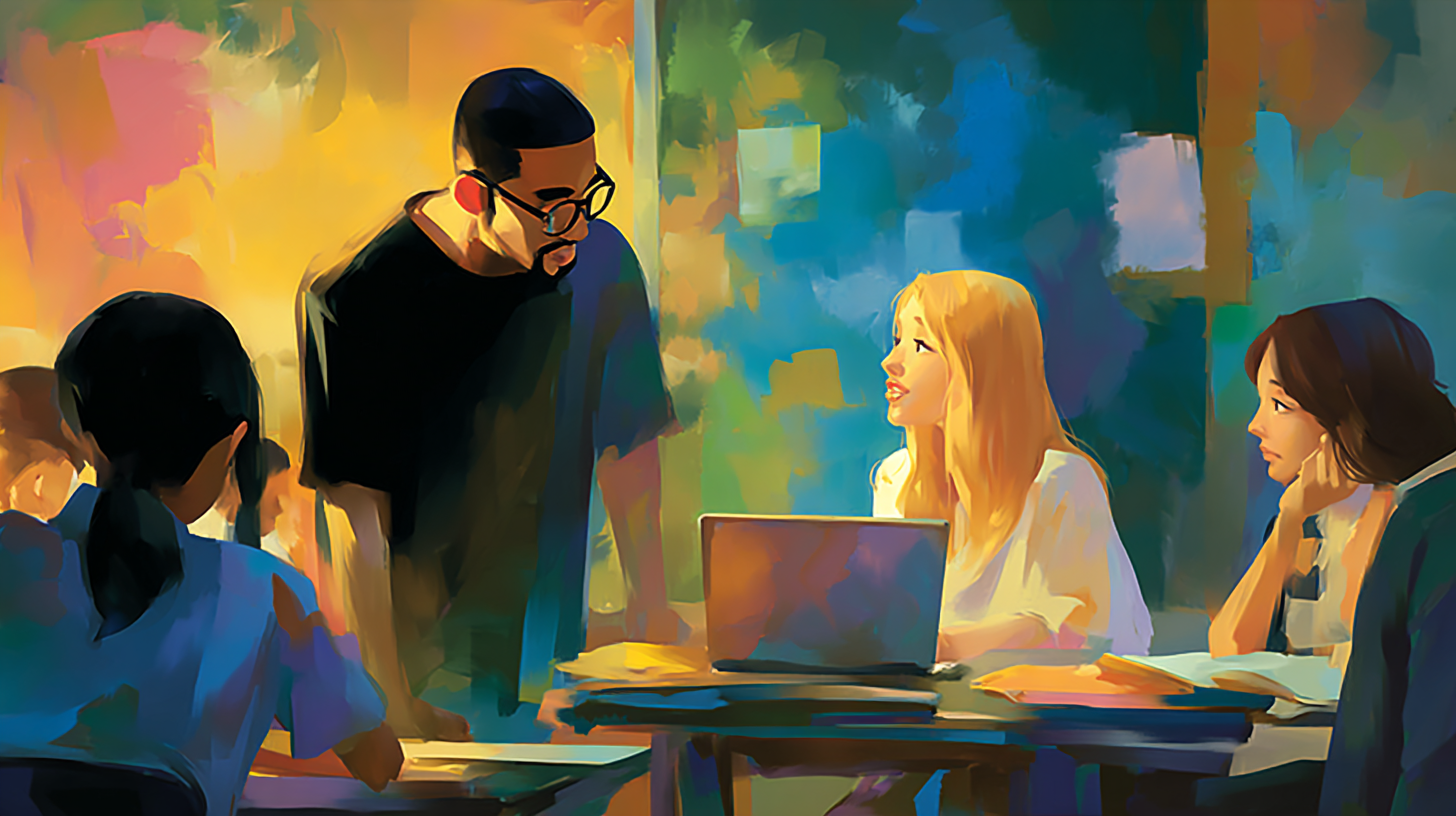
The COVID-19 pandemic permanently altered the social and emotional fabric of education.
Even in 2025, classrooms still reflect the consequences of interrupted schooling, prolonged isolation, and shifting teacher-student relationships. Students’ needs are more complex, and behavioral challenges are often rooted in deep emotional strain rather than defiance. The strategies that worked in pre-pandemic classrooms often fall short today, especially when tensions run high.
The pandemic disrupted more than academic schedules; it disrupted the developmental milestones that shape how students interact, self-regulate, and learn. Some students returned to school with heightened social anxiety, reluctant to engage in group activities or speak up in class. Others fell behind academically and now carry frustration or shame about those gaps. Many are more sensitive to perceived criticism, reacting quickly to even small misunderstandings. These changes require educators to shift from purely corrective approaches to proactive, relationship-centered methods.
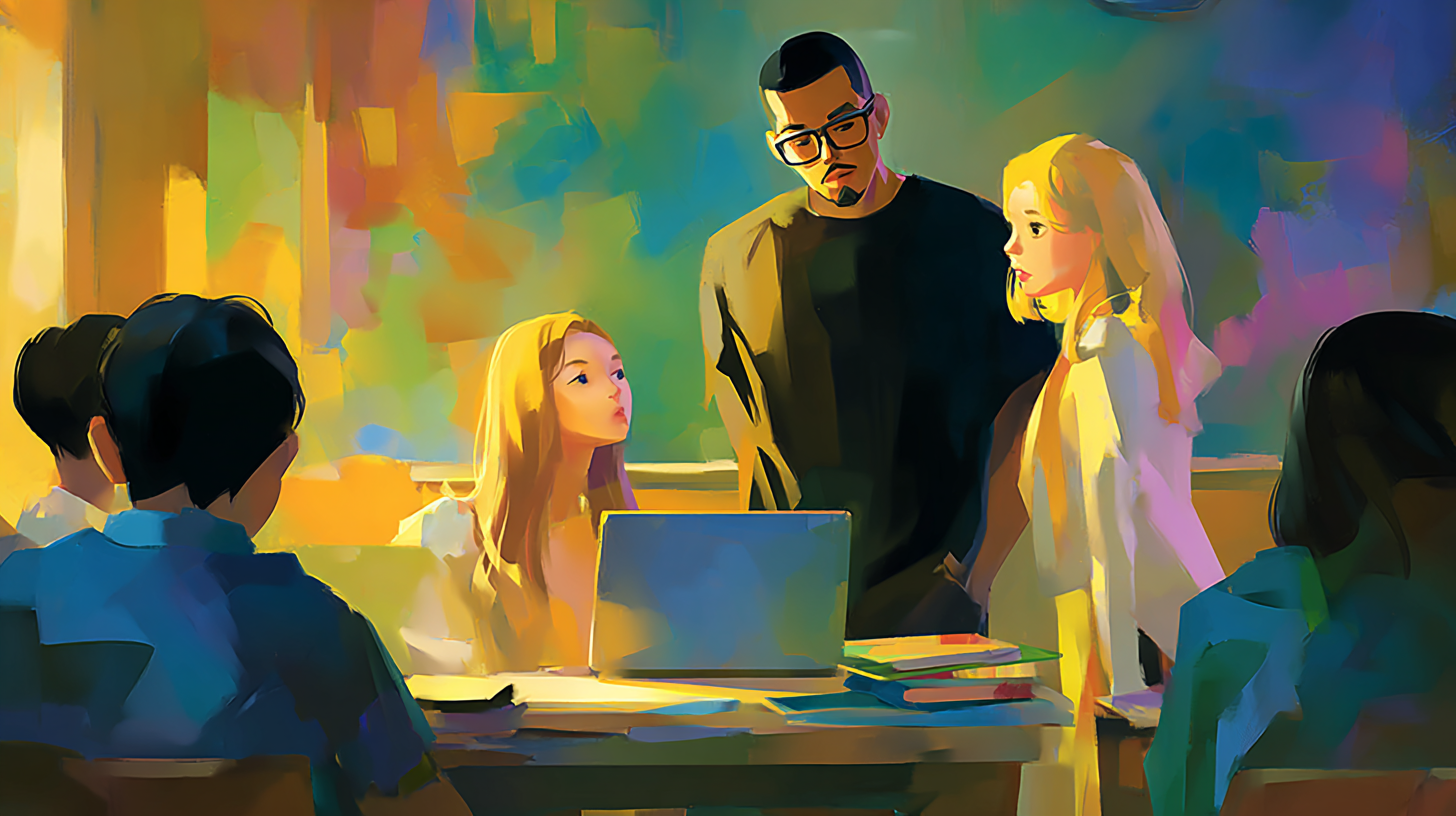
Learn to recognize the signs of escalating stress.
Recognizing the signs of escalating stress is the first step toward prevention. Subtle indicators — a student withdrawing from group work, fidgeting more than usual, or becoming unusually quiet — can signal that they’re approaching a tipping point. On the other end of the spectrum, irritability over small issues or a sudden increase in volume may mean a student is already in a heightened state. Teachers who spot these cues early can make small adjustments, like offering a short break, changing the pace of the lesson, or addressing the student privately.
Building emotional safety into the daily structure of the classroom can prevent many conflicts from arising at all. Clear expectations give students a sense of stability, while predictable routines reduce anxiety. Opportunities for students to voice concerns — whether through open discussion, anonymous feedback forms, or regular check-ins — help them feel heard and respected. When students believe that their needs will be taken seriously, they are more likely to approach teachers before problems escalate.
Rebuilding classroom community is another crucial element. Many students missed out on collaborative learning experiences during remote schooling, so reintroducing cooperative activities can help rebuild trust among peers. Group projects, shared rituals like morning meetings, and peer mentoring programs create a sense of belonging that counters isolation.
Mental health awareness should be woven into the fabric of the day rather than treated as an occasional intervention.
Short mindfulness exercises, journaling prompts, or emotional “temperature checks” can normalize discussions about feelings and teach students language to express themselves before tensions boil over. When mental health becomes part of the classroom culture, students are less likely to view it as a sign of weakness to admit when they’re struggling.

When mental health becomes part of the classroom culture, students are less likely to view it as a sign of weakness.
Families are key partners in these efforts. Parents and caregivers can provide insight into stress triggers, reinforce coping strategies at home, and help maintain consistent expectations. Regular communication — whether through weekly emails, conferences, or informal updates — builds a united approach to supporting students.
In 2025, the most effective de-escalation strategies are those that combine structure with empathy. Students still need boundaries, but those boundaries work best when paired with understanding and flexibility. By shifting the focus from punishment to prevention, teachers can create classrooms where students feel both safe and accountable.
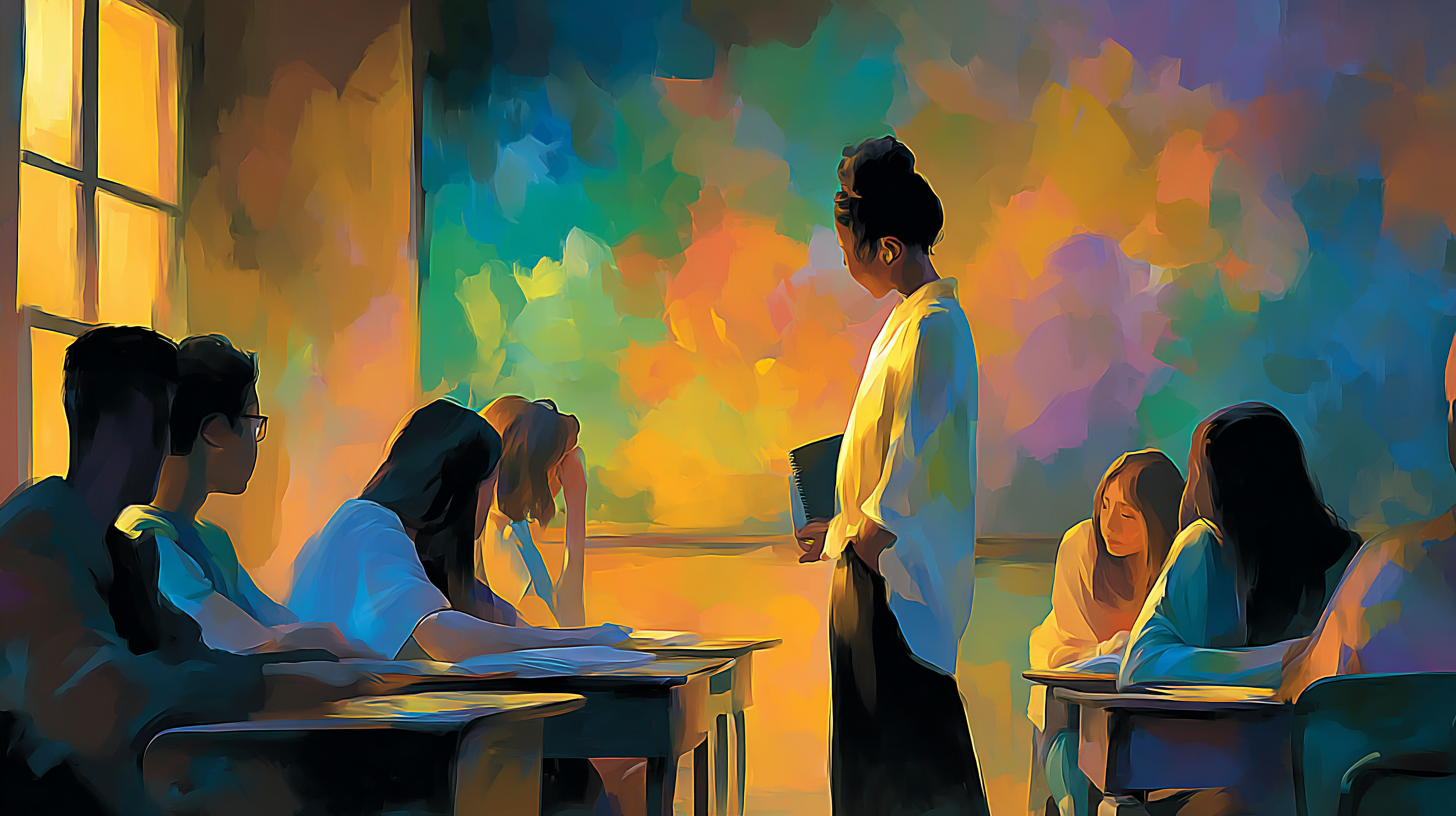
Strategies for de-escalating conflict in post-pandemic classrooms.
Core strategies for de-escalating conflict in post-pandemic classrooms:
- Watch for early signs of stress, such as withdrawal, restlessness, or irritability, and address them before they peak.
- Establish predictable routines and clear expectations to provide stability and reduce anxiety.
- Incorporate activities that rebuild peer trust, such as collaborative projects and shared rituals.
- Use private, respectful communication to address conflicts and maintain student dignity.
- Integrate mental health awareness into daily routines to normalize emotional expression.
- Maintain open communication with parents and caregivers to align strategies across home and school.
Want to equip your team with proven strategies for post-pandemic classrooms? MindSet Safety Management brings training and tools that foster emotional safety, prevent escalation, and strengthen learning environments. Let’s start a conversation.