
Creating Emotional Safety in Today’s Classrooms
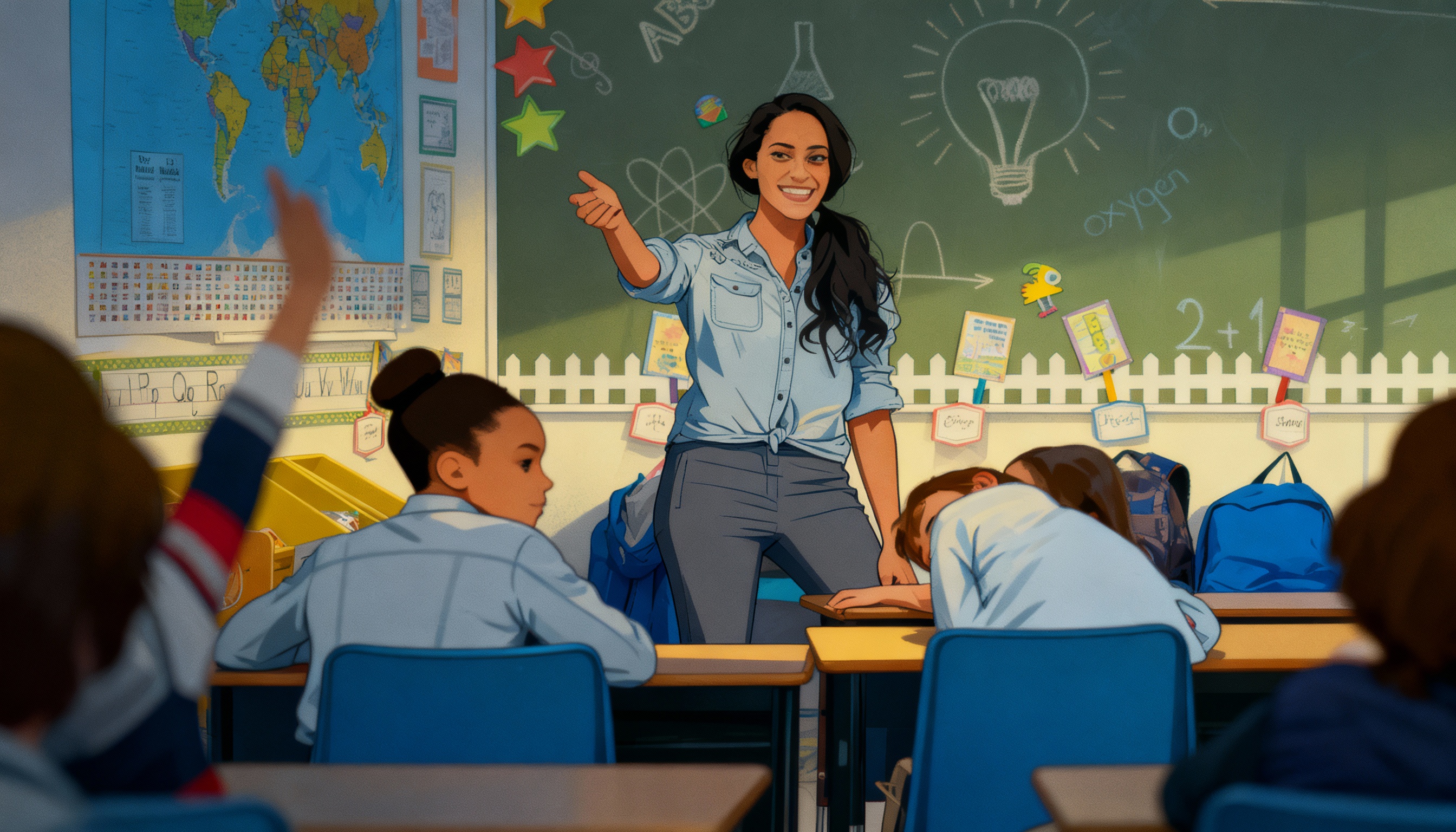
The social and emotional landscape of education has shifted dramatically in recent years. Today’s classrooms reflect new complexities as students arrive with varied experiences, heightened stress levels, and evolving needs. Students’ challenges are often rooted in deep emotional strain rather than simple defiance, and behavioral issues require more nuanced approaches than traditional disciplinary methods.
Modern students face unprecedented pressures from multiple sources—academic expectations, social media, family stress, and rapidly changing world events. These pressures manifest differently in each child, creating a diverse range of emotional and behavioral responses that educators must navigate. The strategies that once worked effectively may fall short when tensions run high in today’s learning environments.

Post001
Contemporary educational challenges require educators to understand that many students carry invisible burdens that affect their ability to learn and interact. Some students experience heightened social anxiety, making them reluctant to engage in group activities or speak up in class. Others struggle with academic confidence and carry frustration or shame about learning gaps. Many are more sensitive to perceived criticism, reacting quickly to even small misunderstandings. These realities require educators to shift from purely corrective approaches to proactive, relationship-centered methods.
Early Intervention: Recognizing the Warning Signs

Post
Recognizing the signs of escalating stress is the first step toward prevention. Subtle indicators—a student withdrawing from group work, fidgeting more than usual, or becoming unusually quiet—can signal that they’re approaching a tipping point. On the other end of the spectrum, irritability over small issues or a sudden increase in volume may mean a student is already in a heightened state. Teachers who spot these cues early can make small adjustments, like offering a short break, changing the pace of the lesson, or addressing the student privately.
Building emotional safety into the daily structure of the classroom can prevent many conflicts from arising at all. Clear expectations give students a sense of stability, while predictable routines reduce anxiety. Opportunities for students to voice concerns—whether through open discussion, anonymous feedback forms, or regular check-ins—help them feel heard and respected. When students believe that their needs will be taken seriously, they are more likely to approach teachers before problems escalate.

12051
Building classroom community is another crucial element. Many students benefit from structured collaborative learning experiences that help build trust among peers. Group projects, shared rituals like morning meetings, and peer mentoring programs create a sense of belonging that counters isolation and builds social skills in a supportive environment.
Mental Health Awareness as Daily Practice
Mental health awareness should be woven into the fabric of the day rather than treated as an occasional intervention. Short mindfulness exercises, journaling prompts, or emotional “temperature checks” can normalize discussions about feelings and teach students language to express themselves before tensions boil over. When mental health becomes part of the classroom culture, students are less likely to view it as a sign of weakness to admit when they’re struggling.
These practices help students develop emotional literacy—the ability to identify, understand, and communicate their feelings effectively. This skill becomes a foundation for self-regulation and conflict prevention, as students learn to recognize their own stress signals and ask for support before reaching crisis points.
Building Strong School-Home Partnerships

Post3
Families are key partners in these efforts. Parents and caregivers can provide insight into stress triggers, reinforce coping strategies at home, and help maintain consistent expectations. Regular communication—whether through weekly emails, conferences, or informal updates—builds a united approach to supporting students.
When schools and families work together, students receive consistent messages about emotional wellness, conflict resolution, and academic expectations. This alignment reduces confusion and helps students feel supported across all environments.
The Balance of Structure and Empathy
In today’s educational environment, the most effective de-escalation strategies are those that combine structure with empathy. Students still need boundaries, but those boundaries work best when paired with understanding and flexibility. By shifting the focus from punishment to prevention, teachers can create classrooms where students feel both safe and accountable.
reepik__cozy-interior-faded-pastel-hues-deep-desaturation-__63020
This approach recognizes that most behavioral issues stem from unmet needs rather than willful disobedience. When educators address the underlying emotional or academic needs, they often see dramatic improvements in student behavior and engagement.
Core Strategies for De-escalating Conflict in Modern Classrooms

Post5
- Watch for early signs of stress, such as withdrawal, restlessness, or irritability, and address them before they peak.
- Establish predictable routines and clear expectations to provide stability and reduce anxiety.
- Incorporate activities that rebuild peer trust, such as collaborative projects and shared rituals.
- Use private, respectful communication to address conflicts and maintain student dignity.
- Integrate mental health awareness into daily routines to normalize emotional expression.
- Maintain open communication with parents and caregivers to align strategies across home and school.

Post6
Creating emotionally safe learning environments requires skilled, confident educators who understand both the academic and emotional needs of today’s students. When implemented thoughtfully, these strategies transform classroom dynamics and help all students thrive.
Want to equip your team with proven strategies for today’s classrooms? Partner with MindSet Safety Management to bring training and tools that foster emotional safety, prevent escalation, and strengthen learning environments. Contact us today to get started.
Navigating AI in the Classroom: Building Trust While Embracing Innovation
Post7
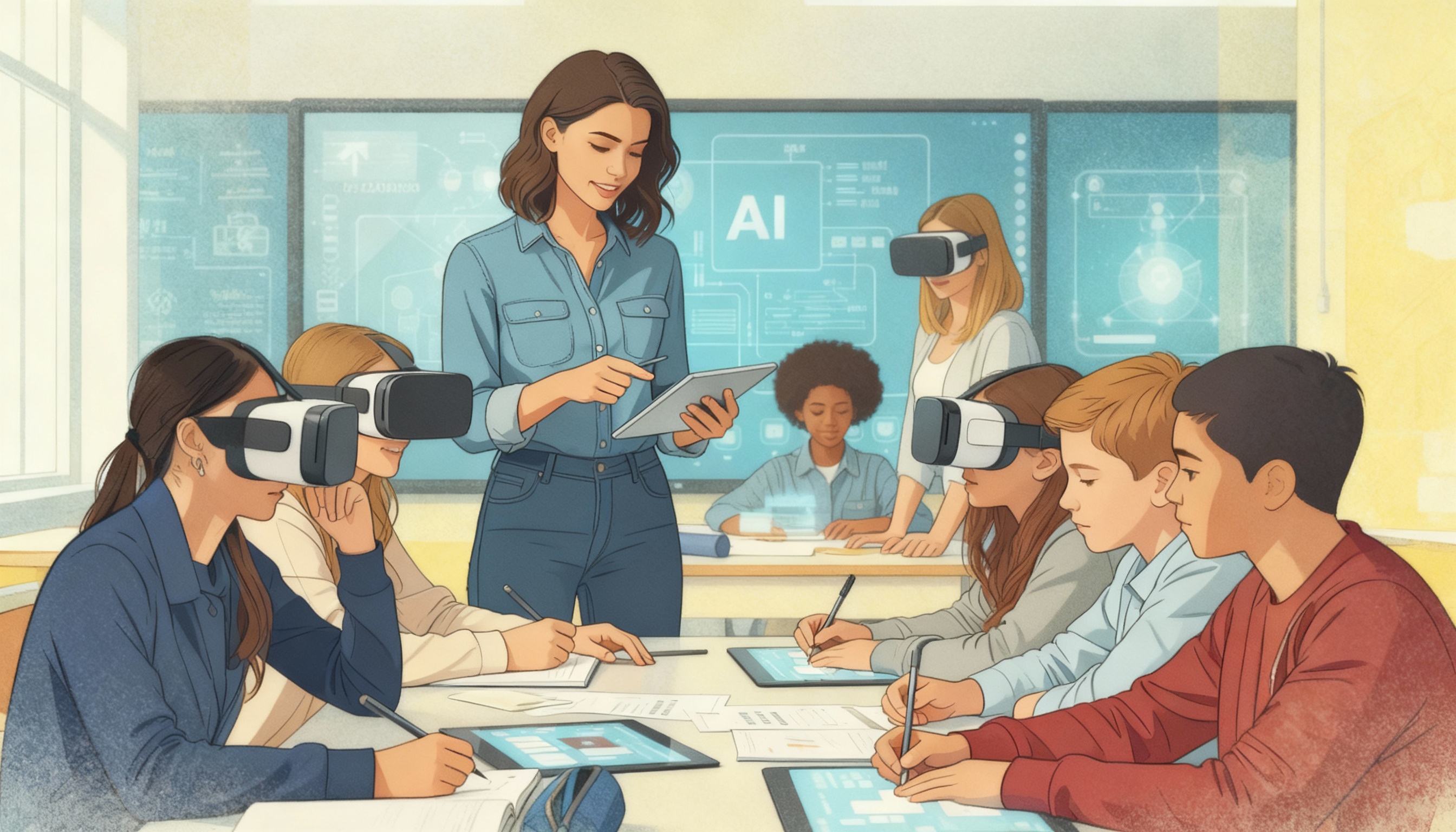
Artificial intelligence has entered classrooms faster than many expected, fundamentally transforming how educators teach, how students learn, and how schools manage resources. The technology’s benefits are undeniable: adaptive learning platforms that tailor lessons to individual needs, automated grading systems that free teachers from repetitive tasks, instant access to research tools, and translation software that bridges language barriers.
Yet with these remarkable advances come new challenges that extend beyond the technical realm. AI implementation can inadvertently increase anxiety, mistrust, and conflict between teachers, students, and parents—precisely the opposite of what educational technology should achieve.
In 2025, the conversation has evolved. We’re no longer debating whether AI belongs in the classroom; we’re grappling with how to harness its power without creating unintended consequences that undermine the very relationships that make learning possible.
The Current Landscape: Rapid Change, Mixed Results

Post8
The adoption rate of AI in education has surged dramatically over the past three years. Districts across the United States and internationally have rolled out AI-powered tutoring assistants, grading algorithms, behavior tracking software, and lesson plan generators. In some schools, students now interact with AI as frequently as they do with their human teachers.
This rapid transformation has created a complex web of reactions:
Educators accustomed to traditional methods often feel overwhelmed by the pace of change. The pressure to master new technologies while meeting performance metrics creates additional stress in an already demanding profession.
Parents frequently express skepticism, raising legitimate concerns about data privacy, algorithmic bias, and the risk of over-relying on machines instead of human judgment.
Students have mixed responses. While many appreciate the personalized attention AI can provide, others perceive it as intrusive, punitive, or even surveillance-like.
These tensions often peak when AI is perceived as replacing rather than supporting human discretion and care.
When AI Goes Wrong: Common Friction Points
The most problematic AI implementations share common characteristics that educators must recognize and address:
Lack of Context: A grading algorithm that flags a paper for plagiarism without considering the student’s learning journey can leave them feeling accused and humiliated rather than supported in their academic growth.
Surveillance Concerns: Real-time monitoring tools that track attention span or analyze facial expressions may feel invasive, particularly to students already experiencing school-related anxiety.
Bias Amplification: Algorithms trained on biased datasets can inadvertently disadvantage certain groups, creating fairness concerns that escalate quickly if left unaddressed.
Absence of Human Override: Systems that make final determinations without teacher input can erode trust and leave students feeling powerless.
When these AI missteps occur—and they inevitably will—the educator’s response becomes the critical factor determining whether the situation leads to productive dialogue or classroom disruption.
Building Trust: The Foundation of Successful AI Integration
Post10
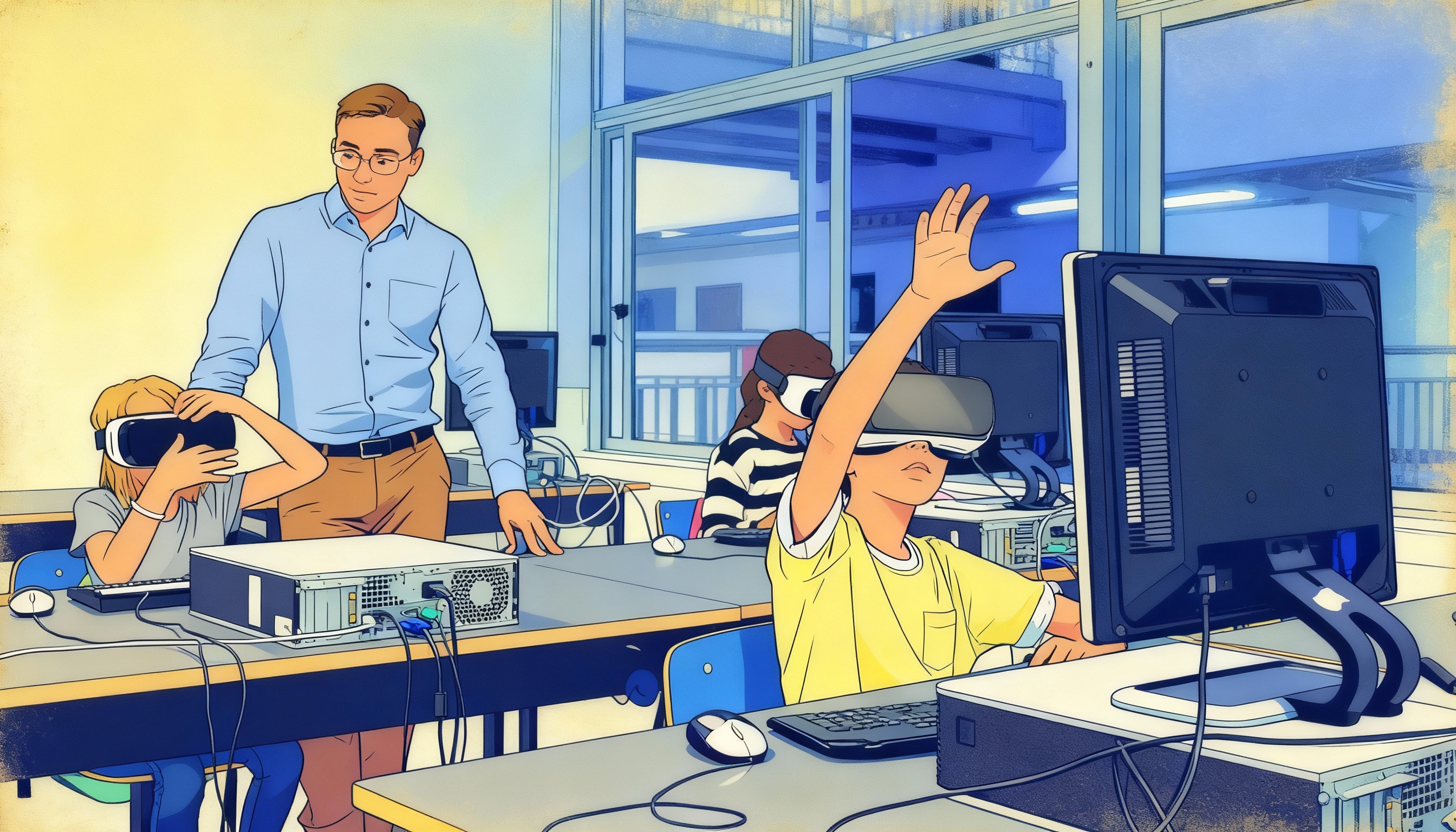
Trust serves as the antidote to AI-related tensions in educational settings. This trust must be intentionally cultivated through specific practices:
Transparency as a Starting Point
Teachers introducing new AI tools should provide clear explanations covering:
- Exactly what the technology does and why it’s being implemented
- What data it collects and how that information is stored and protected
- Whether the AI provides suggestions or makes final determinations
- How teachers can override the system when appropriate
- How students can appeal or question AI-driven outcomes
The more agency students feel they have in the process, the less likely they are to resist the technology.
Active Listening Over Defense
When students express frustration with AI tools, educators’ first instinct may be to defend the technology. However, validating the student’s feelings and investigating concerns together proves far more effective. This collaborative approach transforms potential confrontations into problem-solving opportunities while teaching students to navigate digital systems critically—an essential skill for their futures.
AI as Empowerment, Not Replacement

Strategic Implementation: AI as a De-escalation Tool
When applied thoughtfully, AI can actually reduce classroom tensions:
Early Intervention: Predictive analytics can identify patterns of disengagement before they escalate into behavioral issues, allowing teachers to provide support proactively.
Communication Bridge: Translation features reduce misunderstandings with multilingual students and families, preventing conflicts rooted in language barriers.
Personalized Challenge Levels: Adaptive learning systems can customize assignments to challenge students without overwhelming them, reducing frustration-based conflicts.
Data-Informed Decisions: AI can help teachers understand student needs more deeply, enabling more targeted and effective support.
The key principle remains consistent: these applications must support and strengthen the teacher’s role rather than diminish it.
Preparing Educators for Success
Post12
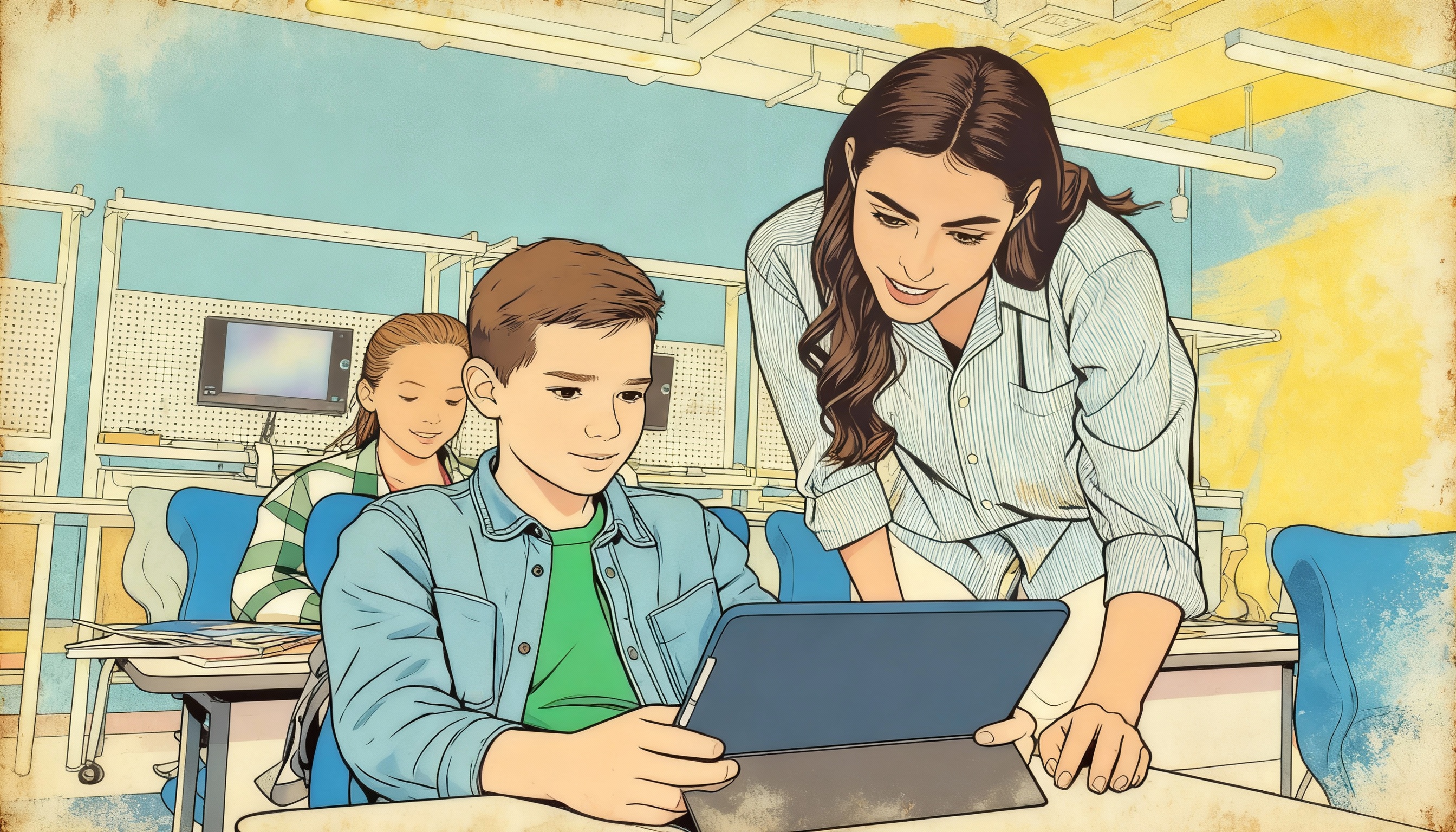
To integrate AI successfully, professional development must extend far beyond technical tutorials. Modern educators need training that combines:
Technical Literacy: Understanding how AI tools function, their limitations, and best practices for implementation.
Emotional Intelligence: Developing skills in emotional regulation, conflict resolution, and culturally responsive communication.
Practical Application: Engaging in simulations and role-playing exercises that prepare educators for real-world scenarios.
For example, educators might practice responding to a situation where an AI tool mistakenly penalizes a student for “off-task” behavior. These exercises help teachers develop de-escalation techniques, from maintaining calm body language to offering students choices in addressing issues.
The Ultimate Goal: Enhanced Human Connection
Post13
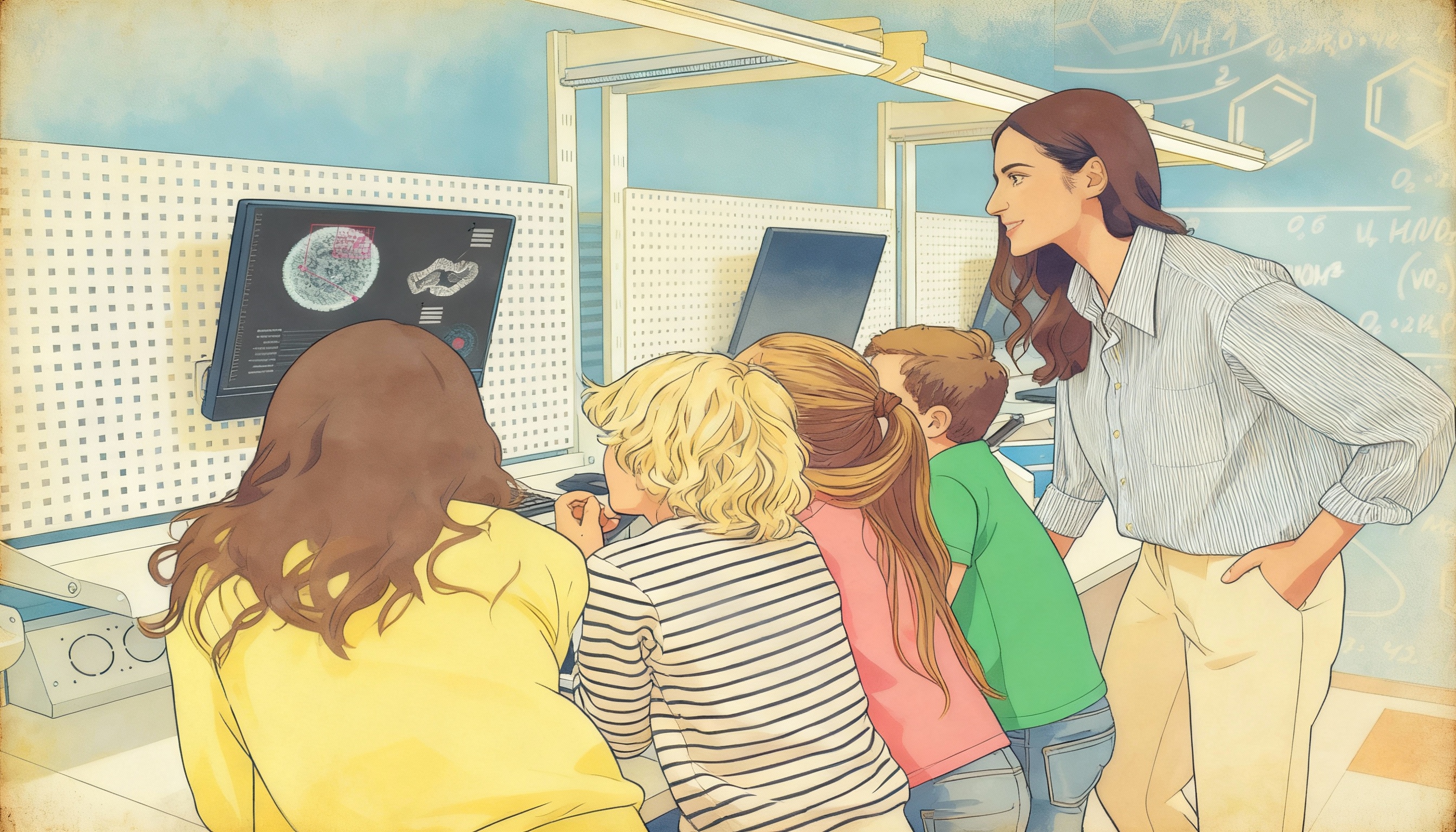
The most important principle guiding AI implementation in education is this: technology should enhance human connection in the classroom, never diminish it.
When AI handles routine administrative tasks effectively, teachers gain precious time to focus on what matters most—getting to know their students, identifying their unique strengths, and providing the kind of mentorship and support that no machine can replicate.
Students learn best when they feel seen, heard, and respected. When introduced with care and intention, AI can contribute to this supportive environment rather than threatening it.
Essential Guidelines for Conflict-Free AI Implementation
To maximize the benefits of AI while minimizing tensions, educators should:
- Communicate Proactively: Explain the purpose, boundaries, and data practices for any AI tool before implementation
- Maintain Human Authority: Ensure teachers retain final decision-making power, using AI as support rather than replacement
- Invite Student Voice: Actively seek student feedback to build trust and adapt tools to meet real needs

Post14.
- Monitor and Respond: Stay alert for signs of frustration or mistrust related to AI use and address them quickly
- Leverage Positive Features: Utilize AI capabilities that proactively reduce tension, such as early warning systems and real-time translation
- Invest in Comprehensive Training: Provide professional development that combines technical skills with emotional regulation and de-escalation techniques
Looking Forward: Technology in Service of Relationships
AI is undeniably reshaping education, but its ultimate success depends on skilled, confident educators who understand that technology’s highest purpose is strengthening rather than straining classroom relationships.
The schools that thrive in this new landscape will be those that view AI not as a replacement for human connection, but as a powerful tool for deepening it. They will invest in preparing their educators not just to use technology, but to lead with empathy, transparency, and wisdom.
As we continue navigating this transformation, one truth remains constant: the best educational outcomes emerge when cutting-edge technology serves timeless human needs for understanding, growth, and connection.
Interested in MindSet Safety Management’s training? Let’s have a conversation.