
Why Everything Feels Like a Crisis in Schools: Cognitive Overload and the Breakdown of Coping Capacity in 2026

In 2026, many educators describe the same experience using different words. Classrooms feel more volatile. Small disruptions escalate faster. Staff feel constantly “on edge,” even on relatively calm days. Administrators report that incidents are not necessarily more severe, but they are more frequent and harder to recover from. The common thread running through these experiences is not a lack of discipline or effort, but a widespread collapse in coping capacity driven by cognitive overload.
Cognitive overload occurs when the brain is required to process more information, emotional input, and decision-making than it can effectively manage. When this threshold is exceeded, higher-order thinking shuts down. The ability to reflect, regulate emotions, and problem-solve weakens. In this state, behavior becomes reactive rather than intentional. For schools, this has profound implications for how behavior is understood and addressed.
Students today are navigating academic demands, social pressure, digital stimulation, and emotional stress simultaneously. Many are also managing trauma, anxiety, or learning differences that further tax cognitive resources. When cognitive load remains high throughout the day, even small frustrations can push students past their limits. A denied request, a sudden transition, or a corrective comment may feel overwhelming, triggering escalation that seems disproportionate to the situation.
Educators are experiencing cognitive overload as well.

Cognitive overload can turn an ordinary school day into a crisis, especially when coping capacity is already stretched to the limit.
Teachers balance instruction, differentiation, documentation, parent communication, and behavior support under increasing scrutiny and reduced staffing. Support staff and administrators juggle crisis response, compliance requirements, and system-wide demands with little opportunity for recovery. When adults are cognitively overloaded, their tolerance narrows. Responses become quicker, firmer, and sometimes less flexible—not because of intent, but because capacity is depleted.
Check Out: Creating Emotional Safety in Today’s Classrooms
Cognitive overload can lead to schools stuck in cycles of escalation.
Cognitive overload reduces the brain’s ability to regulate, making both students and staff more reactive. Traditional discipline approaches often add to this load rather than relieving it. Punitive responses increase stress, introduce fear, and demand cognitive resources that are already exhausted. In these moments, escalation is not a failure of character or compliance; it is a predictable neurological response.

The breakdown of coping capacity in 2026 is also affecting teachers, who are carrying emotional pressure, paperwork, and nonstop decision fatigue.
Constant urgency drives cognitive overload.
When everything is framed as immediate or critical, the brain has no opportunity to prioritize. This keeps the nervous system in a heightened state, making it difficult for students to settle and focus. Schools that intentionally build moments of predictability and pacing reduce this sense of threat. Clear routines, advance warnings for transitions, and consistent expectations conserve cognitive energy and reduce escalation.
Ambiguity is another major driver of overload. Unclear instructions, shifting rules, or inconsistent responses force the brain to work harder to interpret expectations. This effort compounds stress. When expectations are clear and consistently reinforced, students and staff alike can devote more energy to learning and connection rather than decoding rules.
Cognitive overload is closely tied to restraint and seclusion risk.
Many restraint incidents occur late in the day or after cumulative stress has built. By the time a crisis response is needed, the opportunity for prevention has passed. Schools that focus on reducing cognitive load throughout the day see fewer situations escalate to that level. Prevention becomes possible when capacity is protected early.
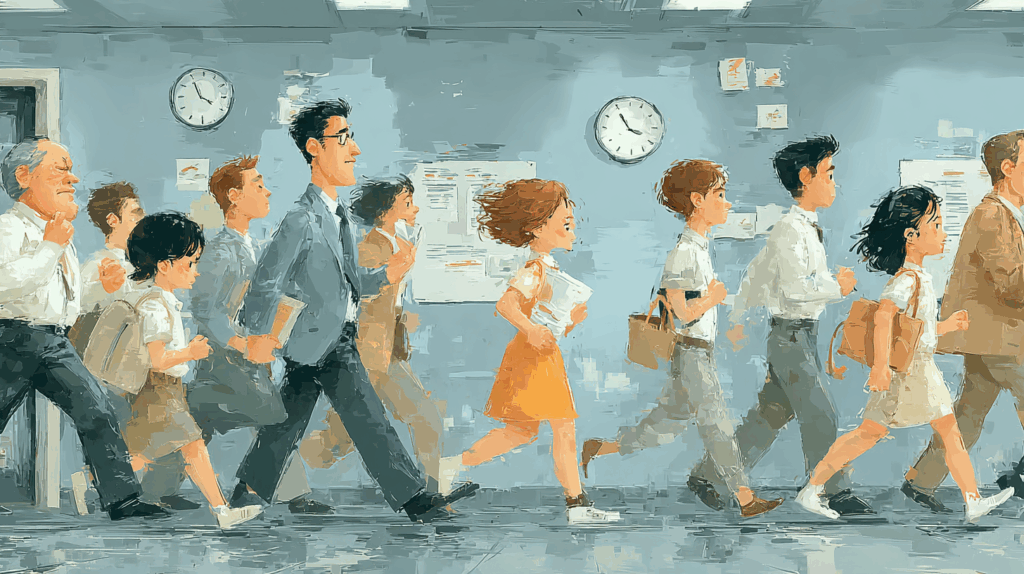
When everything feels urgent, schools can slip into crisis mode, with students and staff moving through each day under pressure and overload.
MindSet’s work aligns closely with this understanding.
De-escalation, regulation, and prevention-focused training all depend on recognizing when capacity is being exceeded. Teaching staff to identify early signs of overload—such as restlessness, shutdown, or irritability—allows intervention before behavior escalates. Supporting staff regulation is equally important, as adults under cognitive strain are less able to co-regulate students.
Check Out: Managing Conflict in Remote and Hybrid Schools
Addressing cognitive overload does not mean lowering standards or expectations. It means creating conditions where expectations can realistically be met. When students are regulated and cognitively available, accountability becomes meaningful rather than punitive. When staff feel supported and clear, confidence replaces reactivity.

Restoring coping capacity in schools may require slower rhythms, emotional regulation, and intentional pauses to reduce cognitive overload in 2026.
Understanding behavior through the lens of capacity helps schools succeed in reducing crisis incidents. Cognitive overload explains why everything can feel like a crisis, even when nothing dramatic has changed. By designing environments that protect cognitive resources, schools shift from constant reaction to intentional prevention.