
When Silence Is a Warning Sign: Reading Shutdown Behavior Before It Becomes a Crisis
The student who throws the chair gets the intervention. The student who goes quiet, drops their head, and stops responding often gets nothing —…

The student who throws the chair gets the intervention. The student who goes quiet, drops their head, and stops responding often gets nothing —…

When a teacher leaves mid-year, the school absorbs the visible cost immediately: a substitute, a disrupted class, a search that takes weeks, onboarding that…
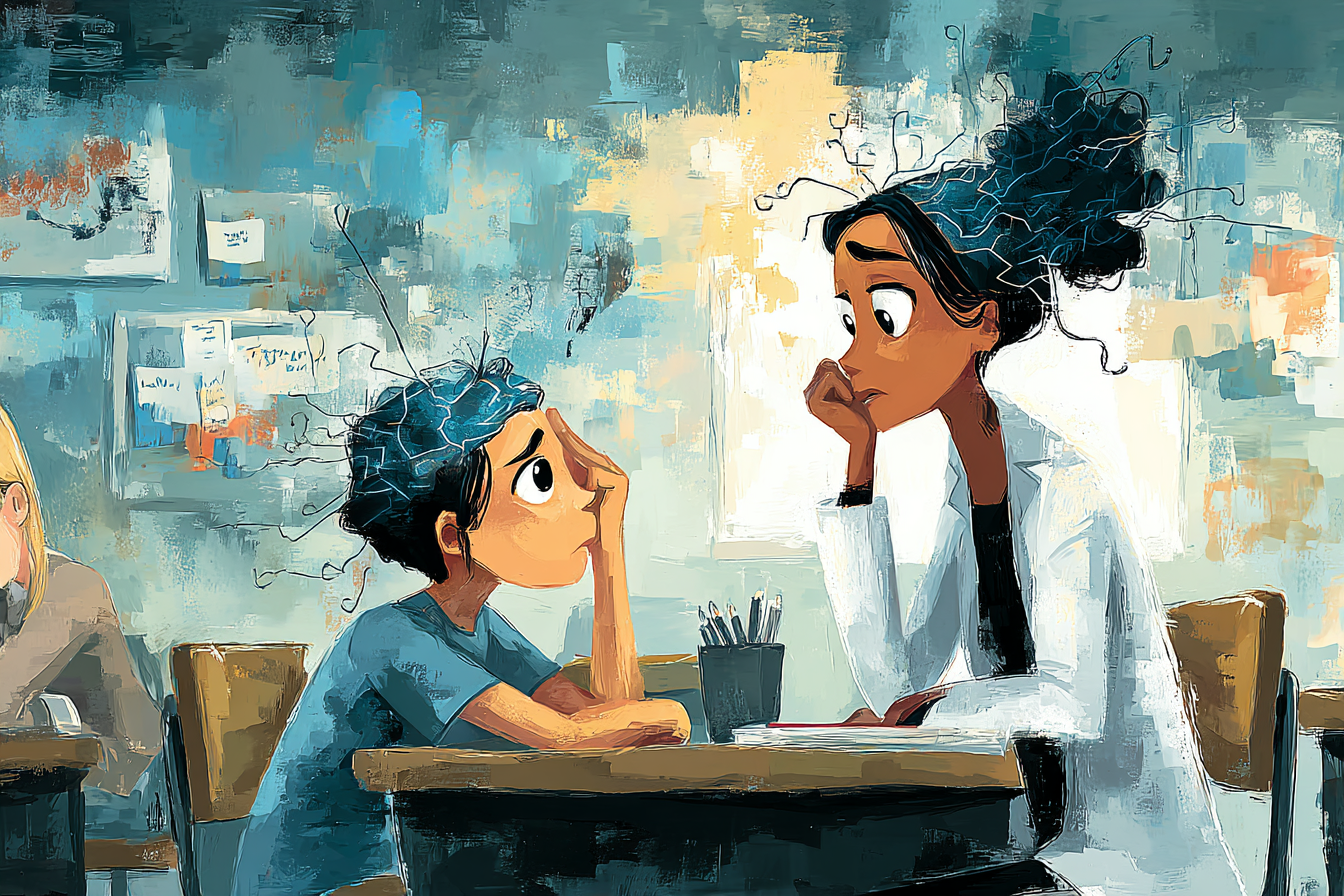
Picture a moment most educators have lived at least once. A student erupts without warning — or what felt like no warning — and…

People who dedicate their careers to helping others rarely expect that the work itself might quietly hollow them out. Yet the same empathy, commitment,…

Every organization wants safer environments, stronger teams, and better outcomes. Most invest heavily in policies, compliance training, and performance metrics. Yet research consistently points…

Escalation is often described as if it were a single event, a moment when someone “loses control,” a classroom “goes bad,” or a staff…
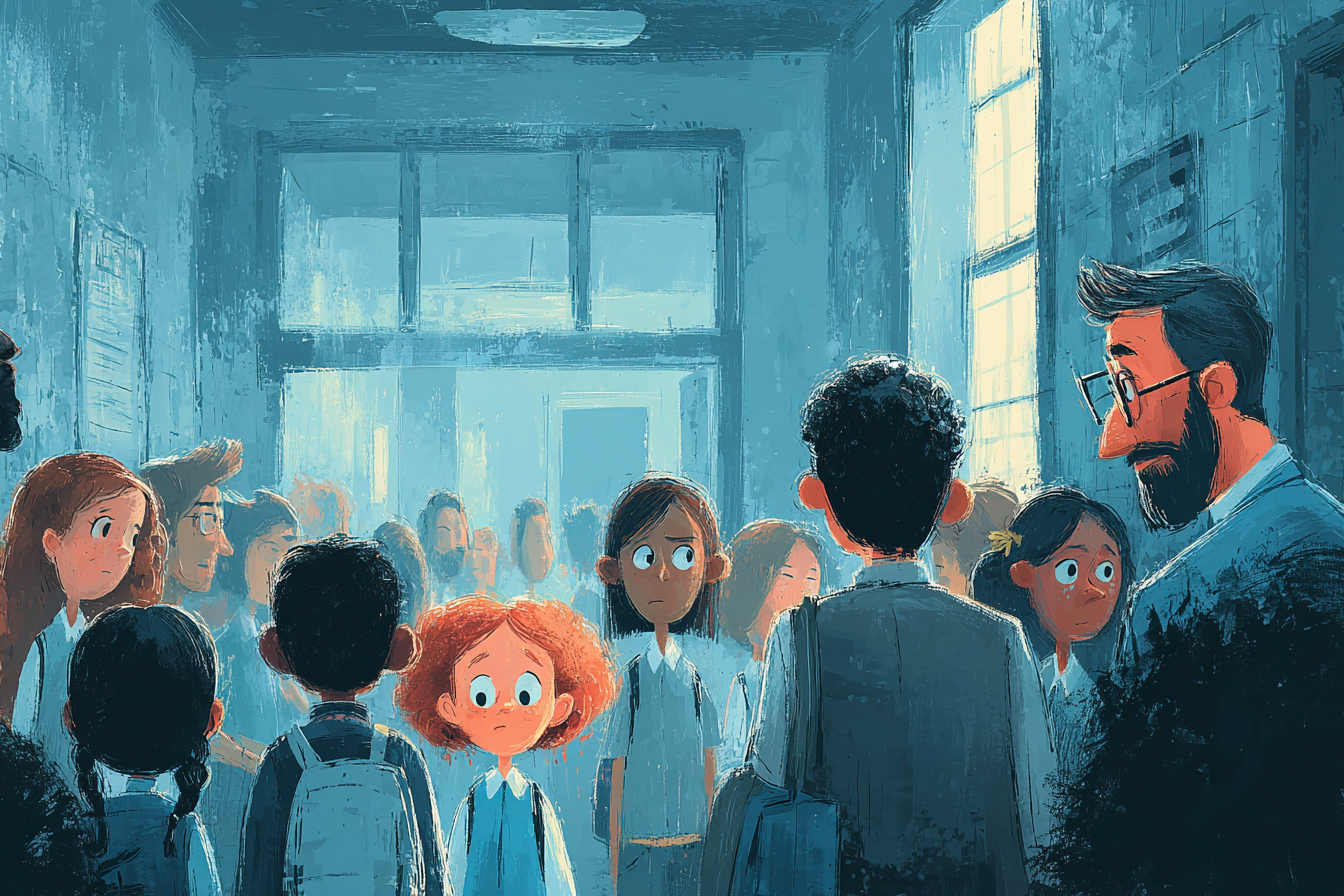
Most organizations do not fail because they never saw risk. They fail because they did not know how to read it early enough. By…

Conflict in the classroom often starts with something small. A comment that feels disrespectful. A student refusing a direction. A tone that shifts just…

Burnout has become one of the defining challenges for professionals working in healthcare and education. In 2026, the conversation about burnout has moved beyond…

In 2026, many educators describe the same experience using different words. Classrooms feel more volatile. Small disruptions escalate faster. Staff feel constantly “on edge,”…