
How to Talk to Students Who Get Their Information from TikTok, YouTube, and AI
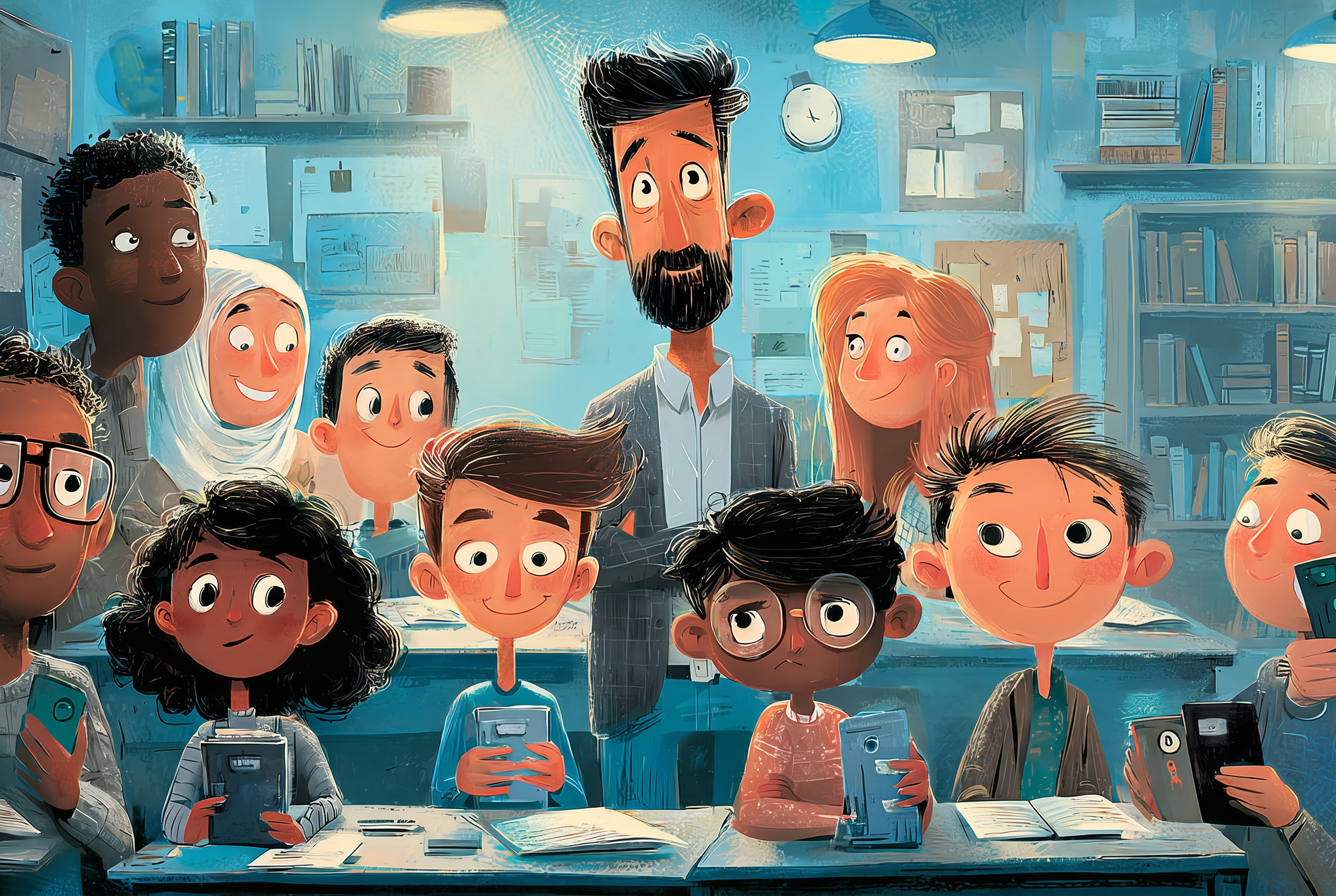
In 2026, teachers not only face student disengagement, they also face the challenge of confident misinformation.
Students are arriving in classrooms with strong opinions shaped by TikTok clips, YouTube commentary, and increasingly, AI-generated summaries that sound authoritative but often lack depth or context. They are not unsure. They are certain. And that certainty changes the dynamic of the classroom.
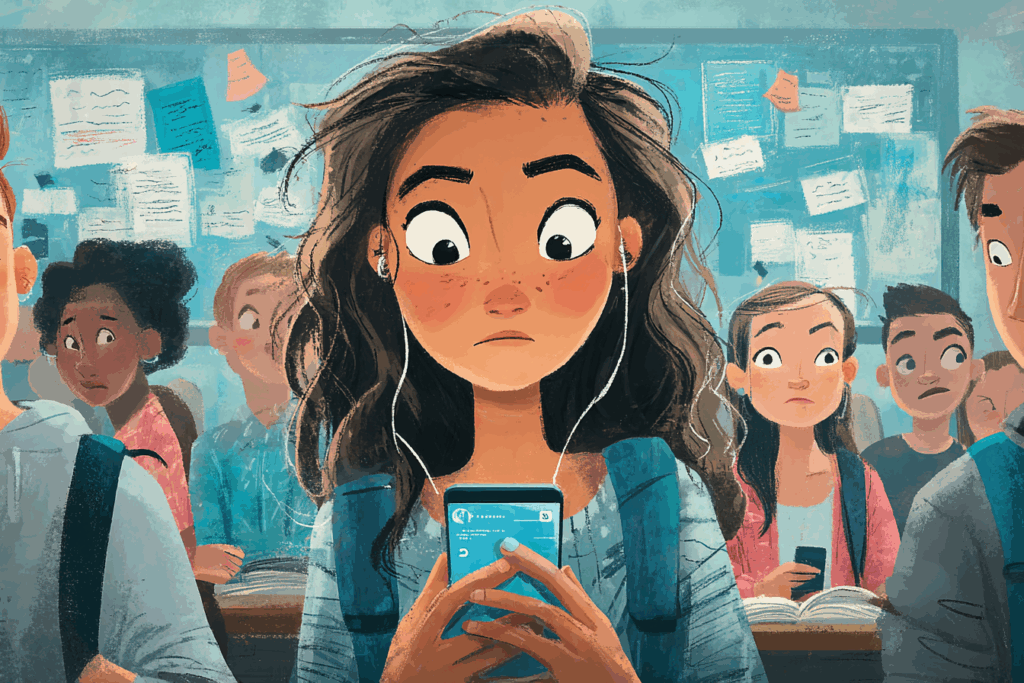
Students who get their information from TikTok, YouTube, and AI often bring online ideas and emotions directly into the classroom.
A student raises their hand and confidently explains a complex issue in thirty seconds. Another interrupts with a counterpoint they saw in a video the night before. The tone is not tentative, it is declarative. For teachers, the instinct is often to correct, to push back, or to shut the conversation down before it spreads further. But that approach tends to escalate the situation, not resolve it.
The real shift required is not about controlling information. It is about changing how students engage with it.
Students are inundated with vast amounts of easily accessible information, and this can be overwhelming. They often lack the ability to distinguish between content that is persuasive and content that is accurate. Short-form media trains them to prioritize confidence, speed, and emotional impact over depth. AI tools compound this by delivering clean, polished answers that feel complete, even when they are missing nuance.
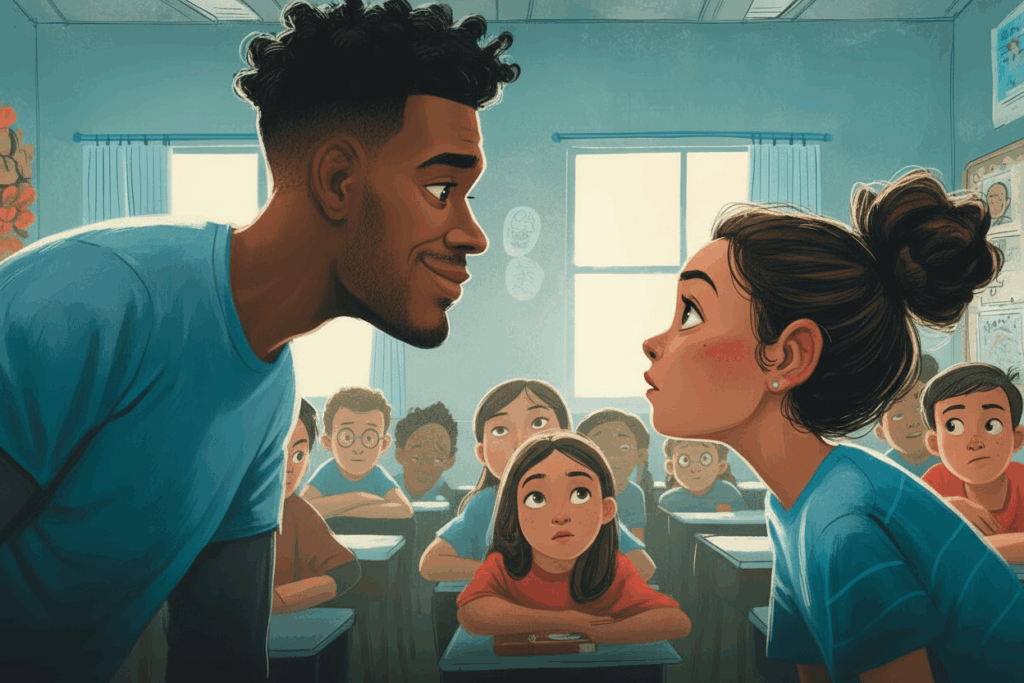
Learning how to talk to students who get their information from TikTok, YouTube, and AI means approaching hard conversations with patience and respect.
The teacher’s role, then, is no longer simply to deliver information. It is to create a space where information can be examined without turning the classroom into a debate stage.
The first move in these moments is not correction. It is containment. When a student presents a claim pulled from TikTok or AI, responding immediately with “that’s not correct” tends to trigger defensiveness. The student feels challenged, and the rest of the class watches the exchange as a confrontation rather than a learning moment. A more effective approach is to slow the process without announcing that you are doing so.
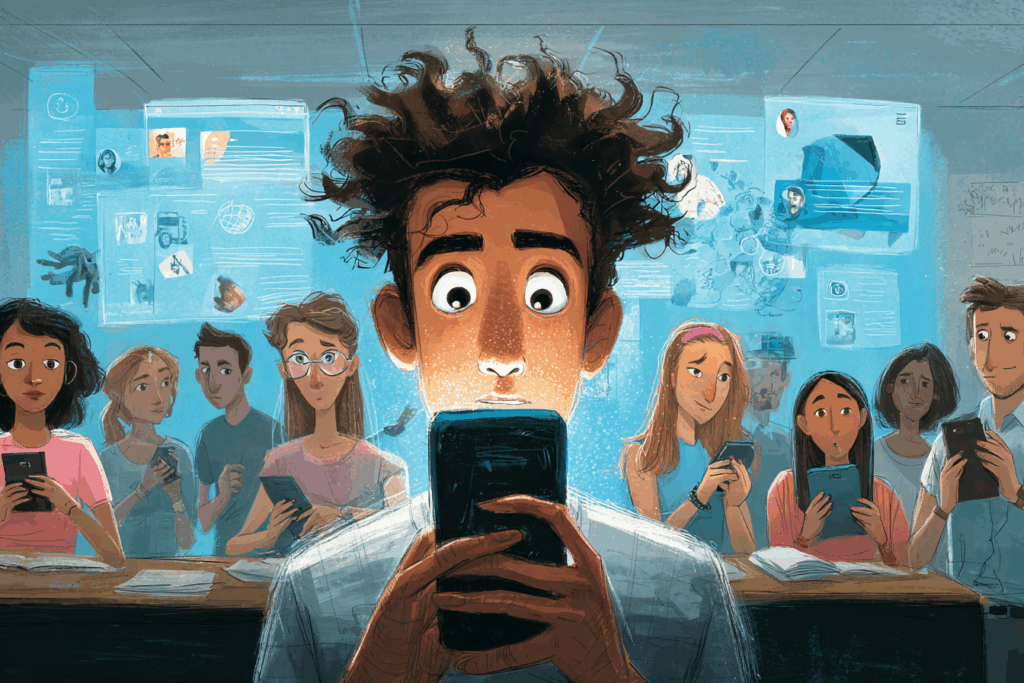
Students who get their information from TikTok, YouTube, and AI may feel overwhelmed by constant digital content and mixed messages.
A response like, “That’s interesting—tell me where you heard that,” shifts the energy. It invites the student to reflect without feeling attacked. Often, they will reference a video, a creator, or an AI tool. That gives you an opening to move the conversation away from right versus wrong and toward how information is formed.
From there, the focus becomes inquiry. This is a process of guided curiosity rather than interrogation. “What do you think that source is trying to do?” or “What might be missing from that explanation?” These questions do not shut the student down.
They require the student to think more deeply about what they have already accepted.
This approach works because it does not directly challenge the student’s identity.
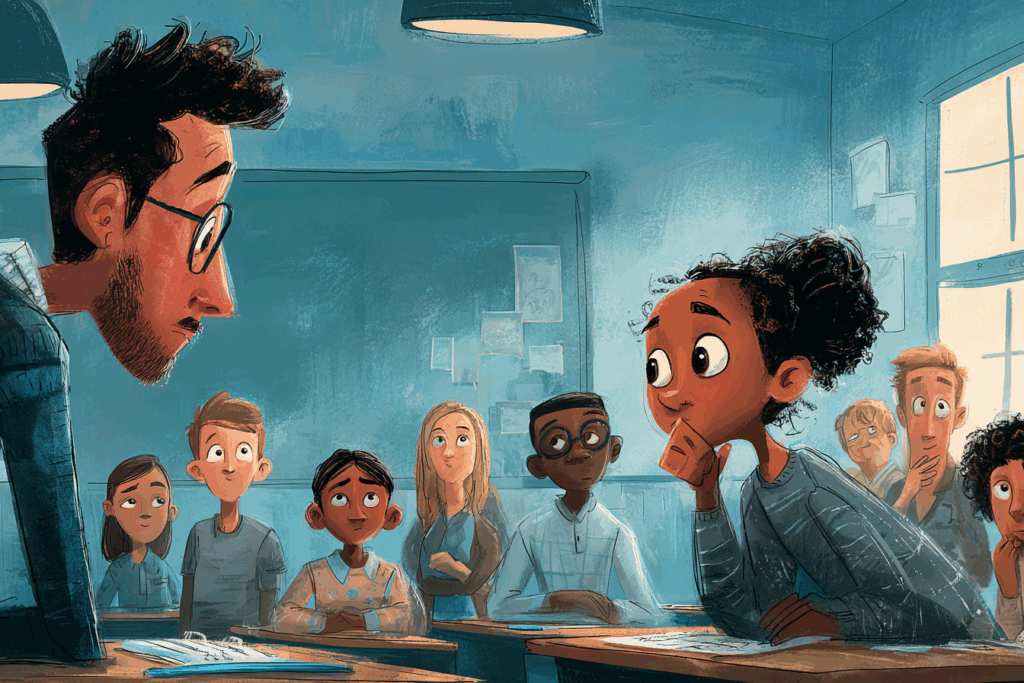
A thoughtful classroom discussion can help students who get their information from TikTok, YouTube, and AI question what they see online.
When students repeat something they saw online, they are not just sharing information. They are often aligning themselves with a perspective. Challenging the information too aggressively can feel like challenging them personally. Shifting the conversation toward process keeps the focus on thinking rather than defending.
It is also important to recognize that students are used to environments where speed wins. Social media rewards quick responses and confident delivery. The classroom has to operate differently, but that difference needs to be explicit. When you pause a discussion and say, “We’re going to take a minute to think about this before responding,” you are introducing a new norm. At first, it may feel unnatural. Over time, it becomes expected.
Check Out: Restorative Practices for 2026
Another effective strategy is to separate the idea from the person. If a student shares something inaccurate, reframing the discussion as “Let’s look at this idea together” creates distance. The class is no longer evaluating the student. It is evaluating the concept. This reduces tension and allows more students to engage without fear of being wrong in public.
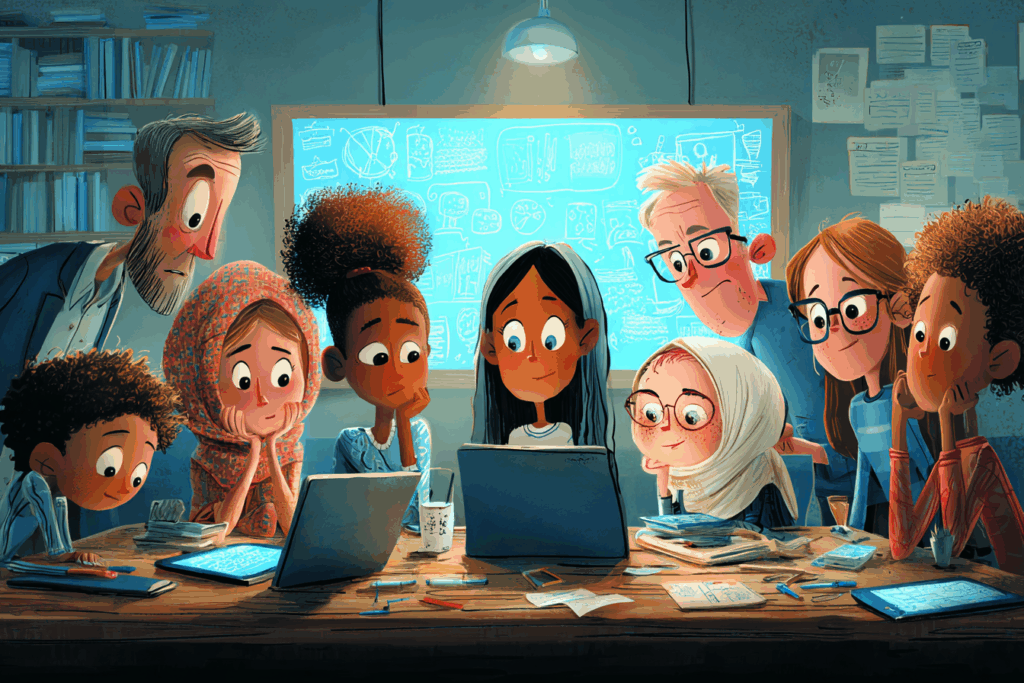
Teaching students who get their information from TikTok, YouTube, and AI works best when curiosity and collaboration lead the conversation.
Teachers also benefit from acknowledging the reality of where students get their information.
Dismissing TikTok or YouTube outright tends to alienate students. They know those platforms are part of their lives. Instead, it is more productive to treat those sources as part of the landscape. Statements like, “A lot of people are hearing different versions of this online,” validate the student’s experience without validating the content itself.
AI adds another layer to this dynamic. Students increasingly use AI tools to get quick answers, often without questioning how those answers are generated. Rather than banning or discouraging AI outright, teachers can use it as part of the lesson. Asking, “What would AI say about this, and what might it miss?” turns the tool into an object of analysis rather than a source of authority.
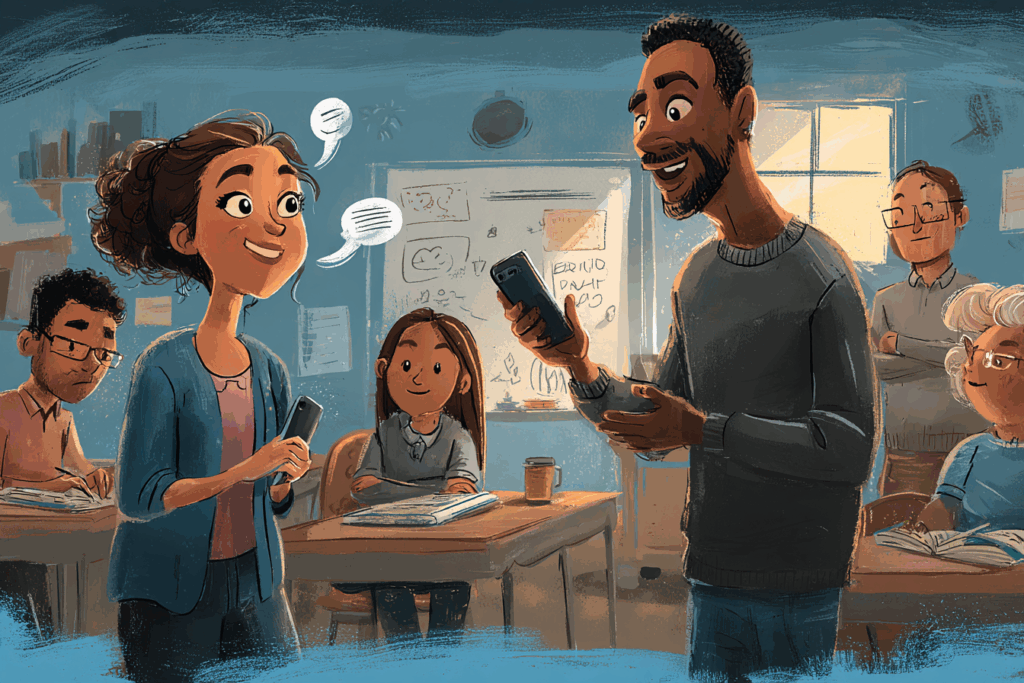
When educators talk to students who get their information from TikTok, YouTube, and AI, real dialogue matters more than judgment.
Over time, these small shifts build a different kind of classroom culture. Students begin to expect that ideas will be examined, not simply accepted or rejected. They learn that confidence is not the same as accuracy. They start to recognize gaps in their own understanding without feeling embarrassed by them.
Check Out: Managing Conflict in Remote and Hybrid Schools
This does not eliminate misinformation. That is not a realistic goal. What it does is change how misinformation functions in the room. Instead of spreading quickly and uncontested, it becomes something that is slowed down, unpacked, and understood
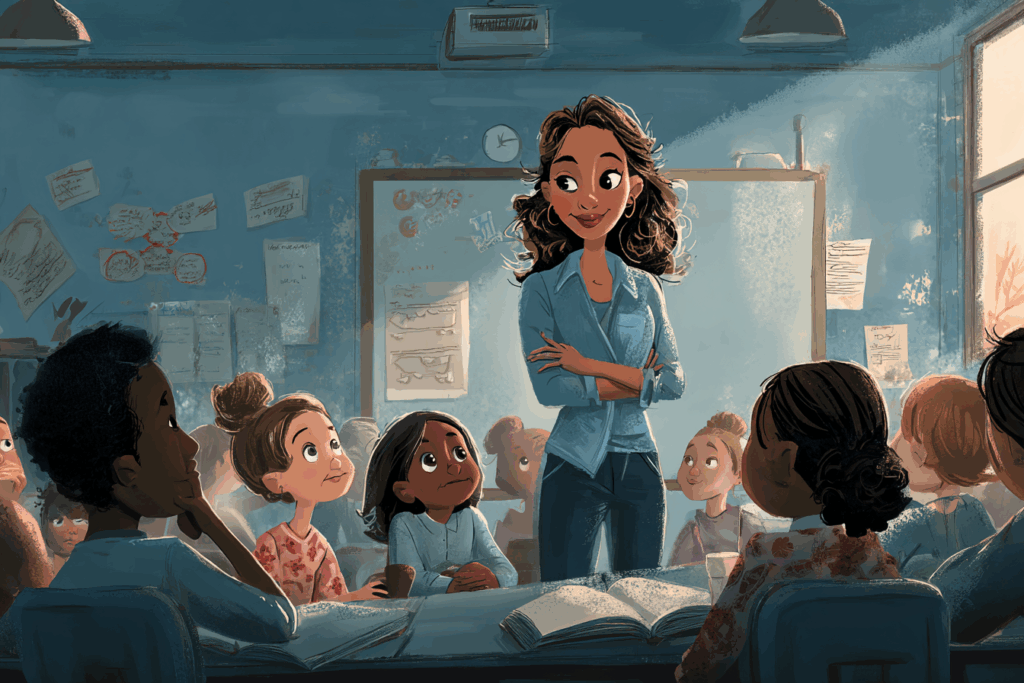
To talk to students who get their information from TikTok, YouTube, and AI, teachers need confidence, empathy, and strong media literacy skills.
For teachers, the key is consistency. One well-handled moment will not reset the dynamic. But repeated experiences of calm, structured inquiry will. Students begin to internalize the process. They pause more often. They ask better questions. They become less reactive and more reflective.
The challenge of students arriving with information shaped by TikTok, YouTube, and AI is not going away. If anything, it will intensify. But it also presents an opportunity. Classrooms can become one of the few places where information is not just consumed, but examined with care.
That shift—from reacting to guiding—is what allows teachers to maintain authority without turning every conversation into a conflict.